Cultivated/Improved Pawpaw (Asimina triloba) – Seeds
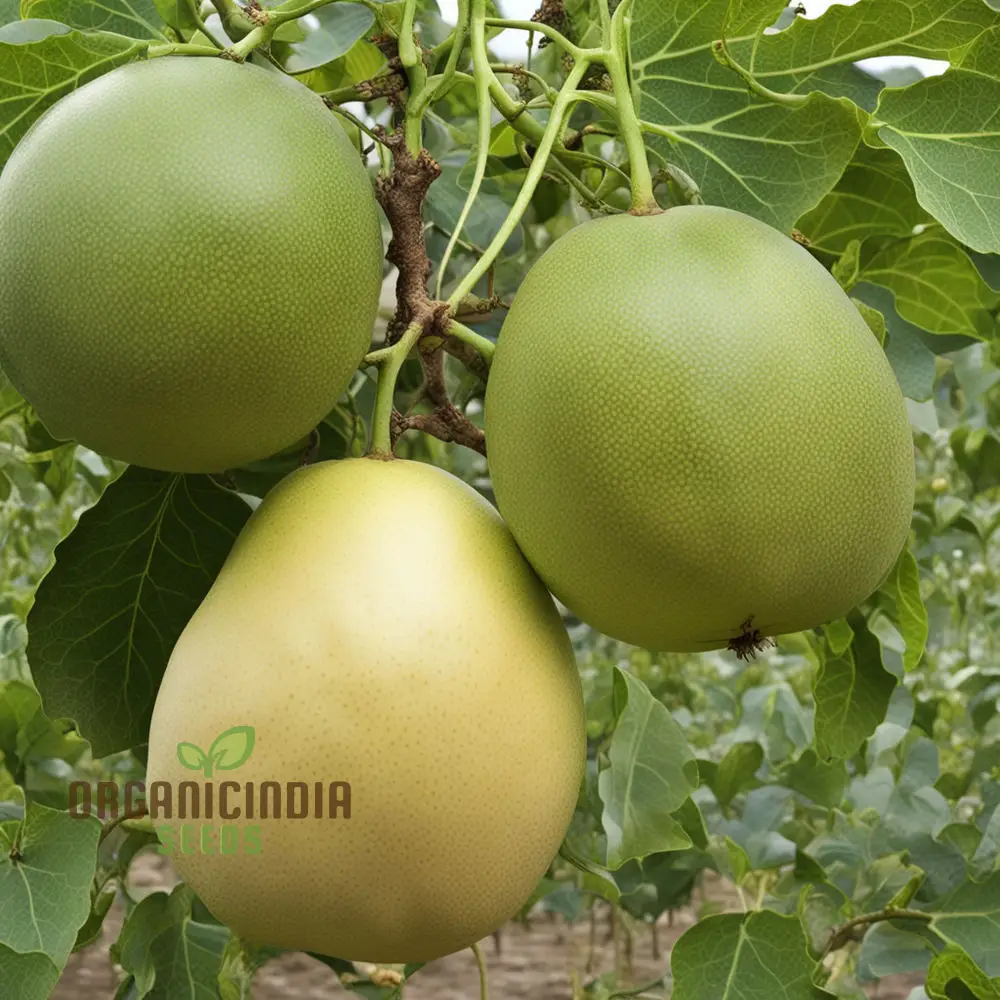
Experience the rich, tropical flavor of the native North American Pawpaw Tree with these Cultivated Asimina triloba Seeds. This improved strain produces large, creamy, custard-like fruit with hints of banana, mango, and melon. The pawpaw tree is well-suited for temperate gardens, offering lush green foliage, fragrant spring flowers, and nutritious fruit in late summer to early autumn. These non-GMO seeds are easy to germinate and grow into hardy, productive trees with minimal maintenance.
Features:
- Improved cultivated variety for enhanced fruit size and flavor
- Produces rich, sweet, tropical-tasting fruits
- Hardy native species ideal for North American climates
- Lush green foliage and attractive flowers for ornamental appeal
- Non-GMO and naturally grown seeds
Specifications:
- Botanical Name: Asimina triloba
- Common Name: Pawpaw
- Plant Type: Deciduous fruit tree
- GMO Status: Non-GMO
- Growth Habit: Upright with spreading canopy
- Height: 12–25 feet at maturity
- Fruit Type: Soft, tropical-flavored edible fruit
- Light Requirements: Full sun to partial shade
- Soil Type: Moist, well-drained, slightly acidic to neutral soil
- Watering: Regular during growing season; drought-tolerant once established
- Season: Sow seeds in late winter to early spring
- Zones: USDA Zones 5–9
- Germination Time: 8–12 weeks (requires cold stratification)
- Temperature for Germination: 18–24°C (65–75°F)
- Maturity: Fruit production typically in 4–6 years
Planting & Sowing Instructions:
- Cold Stratification: Keep seeds in a moist paper towel or peat moss inside a sealed plastic bag in the refrigerator for 12–16 weeks.
- Sowing: After stratification, plant seeds about 1 inch deep in a rich, well-draining seed-starting mix.
- Watering: Maintain consistently moist (not soggy) soil.
- Light: Provide bright, indirect sunlight or partial shade.
- Transplanting: Move seedlings outdoors after frost danger passes, spacing trees 10–15 feet apart.
- Care: Water regularly and mulch around the base to retain moisture and control weeds.
Experience the rich, tropical flavor of the native North American Pawpaw Tree with these Cultivated Asimina triloba Seeds. This improved strain produces large, creamy, custard-like fruit with hints of banana, mango, and melon. The pawpaw tree is well-suited for temperate gardens, offering lush green foliage, fragrant spring flowers, and nutritious fruit in late summer to early autumn. These non-GMO seeds are easy to germinate and grow into hardy, productive trees with minimal maintenance.
Features:
- Improved cultivated variety for enhanced fruit size and flavor
- Produces rich, sweet, tropical-tasting fruits
- Hardy native species ideal for North American climates
- Lush green foliage and attractive flowers for ornamental appeal
- Non-GMO and naturally grown seeds
Specifications:
- Botanical Name: Asimina triloba
- Common Name: Pawpaw
- Plant Type: Deciduous fruit tree
- GMO Status: Non-GMO
- Growth Habit: Upright with spreading canopy
- Height: 12–25 feet at maturity
- Fruit Type: Soft, tropical-flavored edible fruit
- Light Requirements: Full sun to partial shade
- Soil Type: Moist, well-drained, slightly acidic to neutral soil
- Watering: Regular during growing season; drought-tolerant once established
- Season: Sow seeds in late winter to early spring
- Zones: USDA Zones 5–9
- Germination Time: 8–12 weeks (requires cold stratification)
- Temperature for Germination: 18–24°C (65–75°F)
- Maturity: Fruit production typically in 4–6 years
Planting & Sowing Instructions:
- Cold Stratification: Keep seeds in a moist paper towel or peat moss inside a sealed plastic bag in the refrigerator for 12–16 weeks.
- Sowing: After stratification, plant seeds about 1 inch deep in a rich, well-draining seed-starting mix.
- Watering: Maintain consistently moist (not soggy) soil.
- Light: Provide bright, indirect sunlight or partial shade.
- Transplanting: Move seedlings outdoors after frost danger passes, spacing trees 10–15 feet apart.
- Care: Water regularly and mulch around the base to retain moisture and control weeds.
Description
Experience the rich, tropical flavor of the native North American Pawpaw Tree with these Cultivated Asimina triloba Seeds. This improved strain produces large, creamy, custard-like fruit with hints of banana, mango, and melon. The pawpaw tree is well-suited for temperate gardens, offering lush green foliage, fragrant spring flowers, and nutritious fruit in late summer to early autumn. These non-GMO seeds are easy to germinate and grow into hardy, productive trees with minimal maintenance.
Features:
- Improved cultivated variety for enhanced fruit size and flavor
- Produces rich, sweet, tropical-tasting fruits
- Hardy native species ideal for North American climates
- Lush green foliage and attractive flowers for ornamental appeal
- Non-GMO and naturally grown seeds
Specifications:
- Botanical Name: Asimina triloba
- Common Name: Pawpaw
- Plant Type: Deciduous fruit tree
- GMO Status: Non-GMO
- Growth Habit: Upright with spreading canopy
- Height: 12–25 feet at maturity
- Fruit Type: Soft, tropical-flavored edible fruit
- Light Requirements: Full sun to partial shade
- Soil Type: Moist, well-drained, slightly acidic to neutral soil
- Watering: Regular during growing season; drought-tolerant once established
- Season: Sow seeds in late winter to early spring
- Zones: USDA Zones 5–9
- Germination Time: 8–12 weeks (requires cold stratification)
- Temperature for Germination: 18–24°C (65–75°F)
- Maturity: Fruit production typically in 4–6 years
Planting & Sowing Instructions:
- Cold Stratification: Keep seeds in a moist paper towel or peat moss inside a sealed plastic bag in the refrigerator for 12–16 weeks.
- Sowing: After stratification, plant seeds about 1 inch deep in a rich, well-draining seed-starting mix.
- Watering: Maintain consistently moist (not soggy) soil.
- Light: Provide bright, indirect sunlight or partial shade.
- Transplanting: Move seedlings outdoors after frost danger passes, spacing trees 10–15 feet apart.
- Care: Water regularly and mulch around the base to retain moisture and control weeds.