JACOBS LADDER Flower Seeds: Premium Climbing Plants for Vertical Garden Spaces
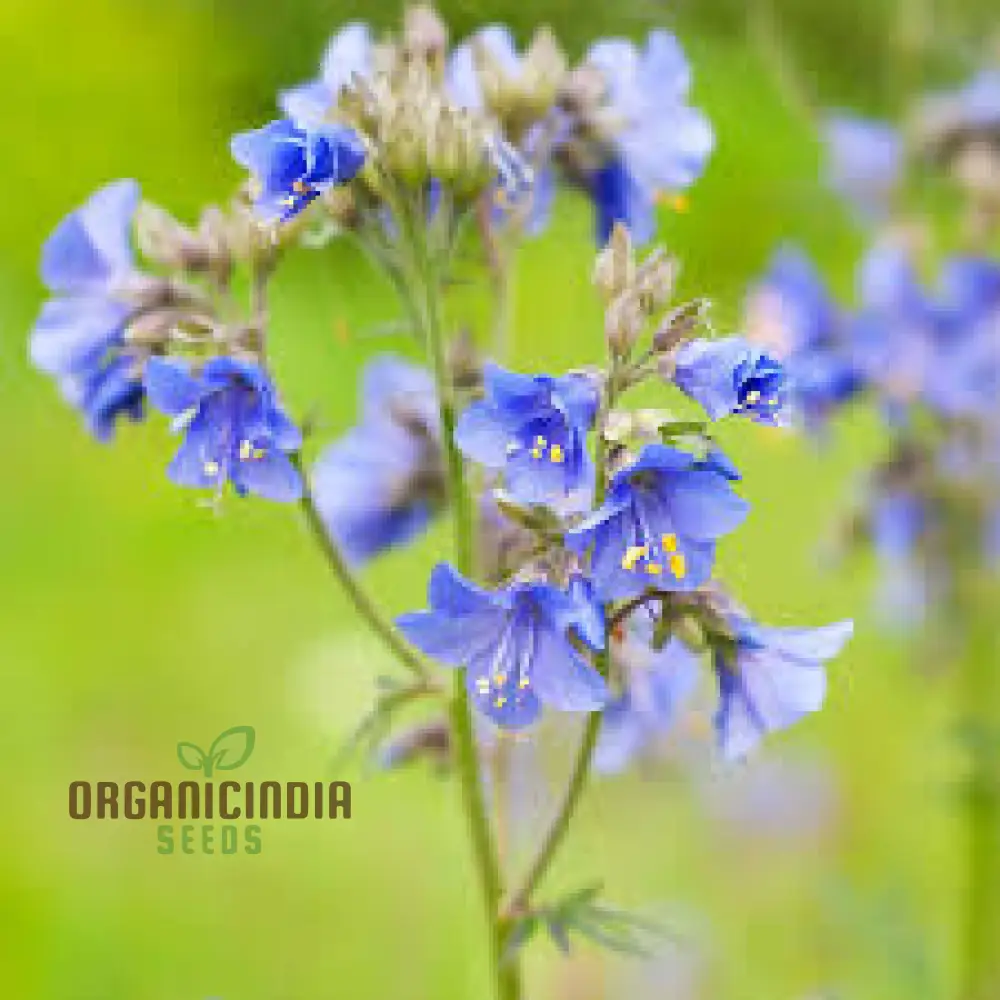
Jacobs Ladder Flower Seeds produce beautiful, graceful plants recognized for their ladder-like leaf structure and charming clusters of blooms. Ideal for adding height, structure, and elegance to vertical gardens, trellises, borders, and shaded areas, these seeds are a favorite among gardeners seeking ornamental beauty with easy maintenance.
Known for their soft, airy appearance and long flowering season, Jacobs Ladder plants deliver stunning garden interest from spring through early summer. These high-quality, non-GMO seeds offer excellent germination and dependable results for home gardeners and landscape designers alike.
Key Features
-
Produces attractive ladder-shaped foliage and delicate flowers
-
Ideal for vertical gardens, trellises, and shaded landscapes
-
High-quality, non-GMO seeds
-
Long blooming period in spring and early summer
-
Easy to grow and adaptable to different soil conditions
-
Excellent choice for ornamental and naturalistic garden designs
Specifications
Botanical Name: Polemonium caeruleum (commonly known as Jacobs Ladder)
Plant Type: Perennial
Seed Type: Non-GMO, high-quality seeds
Flower Colors: Shades of blue, violet, or white (varies by strain)
Bloom Season: Spring to early summer
USDA Hardiness Zones: 3–8
Sun Exposure: Partial Shade to Full Sun
Soil Requirements: Moist, well-drained, fertile soil
Plant Height: 18–30 inches
Spacing: 12–18 inches apart
Watering Needs: Moderate; prefers evenly moist soil
Germination Time: 14–28 days
Optimal Germination Temperature: 60–70°F
Growth Habit: Upright, clumping, lightly arching stems
Uses: Borders, woodland gardens, vertical gardens, shady landscapes
Special Notes: Prefers cool climates; mulching helps maintain soil moisture.
Planting Guide
1. Starting Seeds
-
Start indoors 6–8 weeks before the final frost.
-
Use a moist, well-aerated seed-starting mix.
-
Lightly press seeds into soil; do not bury deeply.
2. Germination Care
-
Maintain temperatures between 60–70°F.
-
Keep soil moist but never waterlogged.
-
Provide bright indirect light for strong seedling growth.
3. Transplanting
-
Harden off seedlings before moving outdoors.
-
Plant in partial shade or areas receiving morning sun and afternoon shade.
-
Space plants 12–18 inches apart for proper airflow.
4. Maintenance
-
Water regularly during dry periods.
-
Mulch around plants to maintain moisture and reduce weeds.
-
Deadhead spent blooms to extend flowering.
-
Cut back after flowering for fresh foliage growth.
Benefits
-
Adds height and structure to gardens
-
Ideal for vertical garden design
-
Thrives in partial shade, great for low-light landscapes
-
Attractive foliage and delicate blooms
-
Suitable for ornamental borders and natural gardens
Jacobs Ladder Flower Seeds produce beautiful, graceful plants recognized for their ladder-like leaf structure and charming clusters of blooms. Ideal for adding height, structure, and elegance to vertical gardens, trellises, borders, and shaded areas, these seeds are a favorite among gardeners seeking ornamental beauty with easy maintenance.
Known for their soft, airy appearance and long flowering season, Jacobs Ladder plants deliver stunning garden interest from spring through early summer. These high-quality, non-GMO seeds offer excellent germination and dependable results for home gardeners and landscape designers alike.
Key Features
-
Produces attractive ladder-shaped foliage and delicate flowers
-
Ideal for vertical gardens, trellises, and shaded landscapes
-
High-quality, non-GMO seeds
-
Long blooming period in spring and early summer
-
Easy to grow and adaptable to different soil conditions
-
Excellent choice for ornamental and naturalistic garden designs
Specifications
Botanical Name: Polemonium caeruleum (commonly known as Jacobs Ladder)
Plant Type: Perennial
Seed Type: Non-GMO, high-quality seeds
Flower Colors: Shades of blue, violet, or white (varies by strain)
Bloom Season: Spring to early summer
USDA Hardiness Zones: 3–8
Sun Exposure: Partial Shade to Full Sun
Soil Requirements: Moist, well-drained, fertile soil
Plant Height: 18–30 inches
Spacing: 12–18 inches apart
Watering Needs: Moderate; prefers evenly moist soil
Germination Time: 14–28 days
Optimal Germination Temperature: 60–70°F
Growth Habit: Upright, clumping, lightly arching stems
Uses: Borders, woodland gardens, vertical gardens, shady landscapes
Special Notes: Prefers cool climates; mulching helps maintain soil moisture.
Planting Guide
1. Starting Seeds
-
Start indoors 6–8 weeks before the final frost.
-
Use a moist, well-aerated seed-starting mix.
-
Lightly press seeds into soil; do not bury deeply.
2. Germination Care
-
Maintain temperatures between 60–70°F.
-
Keep soil moist but never waterlogged.
-
Provide bright indirect light for strong seedling growth.
3. Transplanting
-
Harden off seedlings before moving outdoors.
-
Plant in partial shade or areas receiving morning sun and afternoon shade.
-
Space plants 12–18 inches apart for proper airflow.
4. Maintenance
-
Water regularly during dry periods.
-
Mulch around plants to maintain moisture and reduce weeds.
-
Deadhead spent blooms to extend flowering.
-
Cut back after flowering for fresh foliage growth.
Benefits
-
Adds height and structure to gardens
-
Ideal for vertical garden design
-
Thrives in partial shade, great for low-light landscapes
-
Attractive foliage and delicate blooms
-
Suitable for ornamental borders and natural gardens
Description
Jacobs Ladder Flower Seeds produce beautiful, graceful plants recognized for their ladder-like leaf structure and charming clusters of blooms. Ideal for adding height, structure, and elegance to vertical gardens, trellises, borders, and shaded areas, these seeds are a favorite among gardeners seeking ornamental beauty with easy maintenance.
Known for their soft, airy appearance and long flowering season, Jacobs Ladder plants deliver stunning garden interest from spring through early summer. These high-quality, non-GMO seeds offer excellent germination and dependable results for home gardeners and landscape designers alike.
Key Features
-
Produces attractive ladder-shaped foliage and delicate flowers
-
Ideal for vertical gardens, trellises, and shaded landscapes
-
High-quality, non-GMO seeds
-
Long blooming period in spring and early summer
-
Easy to grow and adaptable to different soil conditions
-
Excellent choice for ornamental and naturalistic garden designs
Specifications
Botanical Name: Polemonium caeruleum (commonly known as Jacobs Ladder)
Plant Type: Perennial
Seed Type: Non-GMO, high-quality seeds
Flower Colors: Shades of blue, violet, or white (varies by strain)
Bloom Season: Spring to early summer
USDA Hardiness Zones: 3–8
Sun Exposure: Partial Shade to Full Sun
Soil Requirements: Moist, well-drained, fertile soil
Plant Height: 18–30 inches
Spacing: 12–18 inches apart
Watering Needs: Moderate; prefers evenly moist soil
Germination Time: 14–28 days
Optimal Germination Temperature: 60–70°F
Growth Habit: Upright, clumping, lightly arching stems
Uses: Borders, woodland gardens, vertical gardens, shady landscapes
Special Notes: Prefers cool climates; mulching helps maintain soil moisture.
Planting Guide
1. Starting Seeds
-
Start indoors 6–8 weeks before the final frost.
-
Use a moist, well-aerated seed-starting mix.
-
Lightly press seeds into soil; do not bury deeply.
2. Germination Care
-
Maintain temperatures between 60–70°F.
-
Keep soil moist but never waterlogged.
-
Provide bright indirect light for strong seedling growth.
3. Transplanting
-
Harden off seedlings before moving outdoors.
-
Plant in partial shade or areas receiving morning sun and afternoon shade.
-
Space plants 12–18 inches apart for proper airflow.
4. Maintenance
-
Water regularly during dry periods.
-
Mulch around plants to maintain moisture and reduce weeds.
-
Deadhead spent blooms to extend flowering.
-
Cut back after flowering for fresh foliage growth.
Benefits
-
Adds height and structure to gardens
-
Ideal for vertical garden design
-
Thrives in partial shade, great for low-light landscapes
-
Attractive foliage and delicate blooms
-
Suitable for ornamental borders and natural gardens