Meconopsis Cambrica 'Frances Perry' Flower Seeds for planting, Rare and Beautiful Welsh Poppy Seeds for Gardening
Meconopsis cambrica 'Frances Perry' – Rare and Beautiful Welsh Poppy Seeds for Your Garden
Scientific Name: Meconopsis cambrica 'Frances Perry'
Common Name: Welsh Poppy 'Frances Perry'
Plant Type: Perennial, Herbaceous
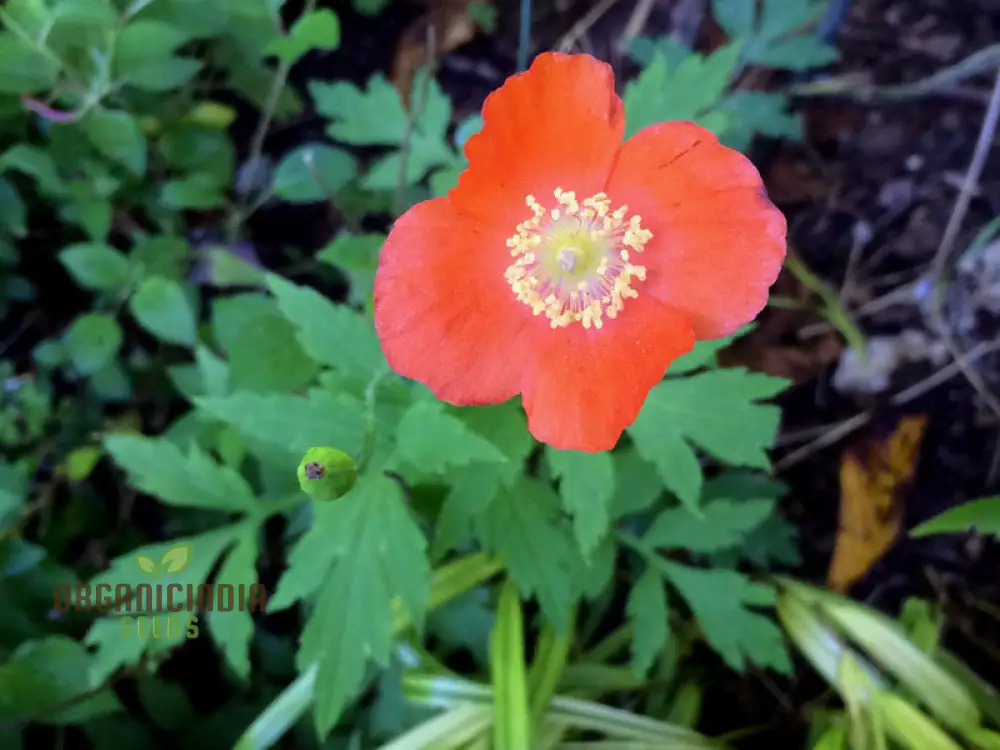
Flower Color: Deep golden-yellow to orange with delicate, papery petals
Mature Height: 12 to 18 inches
Spread: 12 inches
Light Requirements: Partial shade to full sun
Soil Requirements: Moist, well-drained, humus-rich soil
Watering Needs: Moderate; prefers consistently moist conditions
Blooming Season: Late spring to early autumn
Uses: Cottage gardens, woodland gardens, borders, wildflower meadows, container planting
Product Details
- Germination Rate: High with proper conditions
- Cold Hardiness: Suitable for USDA zones 5-9
- Growth Speed: Moderate; self-seeds easily under the right conditions
- Wildlife Benefits: Attracts bees, butterflies, and other pollinators
- Maintenance Level: Low; easy to grow and naturalizes well
Planting Instructions
Seed Preparation and Sowing
- Best Planting Time: Late winter to early spring (or fall for natural stratification)
- Sowing Method:
- Direct sow outdoors or start indoors 6-8 weeks before the last frost.
- Scatter seeds on the soil surface and lightly press them in without covering, as they need light to germinate.
- Keep soil consistently moist but not waterlogged.
- Spacing: 10 to 12 inches apart for optimal growth.
- Germination Time: 2 to 6 weeks at cool temperatures (50-60°F).
Care and Maintenance
- Watering: Keep soil moist during active growth, especially in dry periods.
- Fertilization: Apply a light application of compost or balanced organic fertilizer in early spring.
- Pruning: Deadhead spent flowers to encourage continuous blooming.
- Pest and Disease Resistance: Generally resistant to pests; may be susceptible to slugs and snails.
- Winter Care: Hardy in most regions; mulch lightly in colder climates for extra protection.
Why Grow Meconopsis cambrica 'Frances Perry'?
- Vibrant, Long-Lasting Blooms: Bright golden-orange flowers add cheerful color to the garden.
- Pollinator-Friendly: Provides nectar for bees and butterflies.
- Low-Maintenance & Self-Seeding: Readily spreads for a naturalized effect.
- Ideal for Shaded Areas: Thrives in partial shade where other flowers may struggle.
Companion Planting Suggestions
- Pairs beautifully with ferns, hostas, and Aquilegia (Columbine) in woodland gardens.
- Complements early bloomers like Primula, Digitalis (Foxglove), and Geranium (Cranesbill).
- Works well in wildflower meadows alongside Papaver (poppies) and Campanula (bellflowers).
Bring Rare Beauty to Your Garden with Meconopsis cambrica 'Frances Perry'
With its stunning golden-orange flowers, shade tolerance, and easy-care nature, Meconopsis cambrica 'Frances Perry' is a perfect choice for adding a touch of rare beauty to any garden.
Meconopsis cambrica 'Frances Perry' – Rare and Beautiful Welsh Poppy Seeds for Your Garden
Scientific Name: Meconopsis cambrica 'Frances Perry'
Common Name: Welsh Poppy 'Frances Perry'
Plant Type: Perennial, Herbaceous
Flower Color: Deep golden-yellow to orange with delicate, papery petals
Mature Height: 12 to 18 inches
Spread: 12 inches
Light Requirements: Partial shade to full sun
Soil Requirements: Moist, well-drained, humus-rich soil
Watering Needs: Moderate; prefers consistently moist conditions
Blooming Season: Late spring to early autumn
Uses: Cottage gardens, woodland gardens, borders, wildflower meadows, container planting
Product Details
- Germination Rate: High with proper conditions
- Cold Hardiness: Suitable for USDA zones 5-9
- Growth Speed: Moderate; self-seeds easily under the right conditions
- Wildlife Benefits: Attracts bees, butterflies, and other pollinators
- Maintenance Level: Low; easy to grow and naturalizes well
Planting Instructions
Seed Preparation and Sowing
- Best Planting Time: Late winter to early spring (or fall for natural stratification)
- Sowing Method:
- Direct sow outdoors or start indoors 6-8 weeks before the last frost.
- Scatter seeds on the soil surface and lightly press them in without covering, as they need light to germinate.
- Keep soil consistently moist but not waterlogged.
- Spacing: 10 to 12 inches apart for optimal growth.
- Germination Time: 2 to 6 weeks at cool temperatures (50-60°F).
Care and Maintenance
- Watering: Keep soil moist during active growth, especially in dry periods.
- Fertilization: Apply a light application of compost or balanced organic fertilizer in early spring.
- Pruning: Deadhead spent flowers to encourage continuous blooming.
- Pest and Disease Resistance: Generally resistant to pests; may be susceptible to slugs and snails.
- Winter Care: Hardy in most regions; mulch lightly in colder climates for extra protection.
Why Grow Meconopsis cambrica 'Frances Perry'?
- Vibrant, Long-Lasting Blooms: Bright golden-orange flowers add cheerful color to the garden.
- Pollinator-Friendly: Provides nectar for bees and butterflies.
- Low-Maintenance & Self-Seeding: Readily spreads for a naturalized effect.
- Ideal for Shaded Areas: Thrives in partial shade where other flowers may struggle.
Companion Planting Suggestions
- Pairs beautifully with ferns, hostas, and Aquilegia (Columbine) in woodland gardens.
- Complements early bloomers like Primula, Digitalis (Foxglove), and Geranium (Cranesbill).
- Works well in wildflower meadows alongside Papaver (poppies) and Campanula (bellflowers).
Bring Rare Beauty to Your Garden with Meconopsis cambrica 'Frances Perry'
With its stunning golden-orange flowers, shade tolerance, and easy-care nature, Meconopsis cambrica 'Frances Perry' is a perfect choice for adding a touch of rare beauty to any garden.
Description
Meconopsis cambrica 'Frances Perry' – Rare and Beautiful Welsh Poppy Seeds for Your Garden
Scientific Name: Meconopsis cambrica 'Frances Perry'
Common Name: Welsh Poppy 'Frances Perry'
Plant Type: Perennial, Herbaceous
Flower Color: Deep golden-yellow to orange with delicate, papery petals
Mature Height: 12 to 18 inches
Spread: 12 inches
Light Requirements: Partial shade to full sun
Soil Requirements: Moist, well-drained, humus-rich soil
Watering Needs: Moderate; prefers consistently moist conditions
Blooming Season: Late spring to early autumn
Uses: Cottage gardens, woodland gardens, borders, wildflower meadows, container planting
Product Details
- Germination Rate: High with proper conditions
- Cold Hardiness: Suitable for USDA zones 5-9
- Growth Speed: Moderate; self-seeds easily under the right conditions
- Wildlife Benefits: Attracts bees, butterflies, and other pollinators
- Maintenance Level: Low; easy to grow and naturalizes well
Planting Instructions
Seed Preparation and Sowing
- Best Planting Time: Late winter to early spring (or fall for natural stratification)
- Sowing Method:
- Direct sow outdoors or start indoors 6-8 weeks before the last frost.
- Scatter seeds on the soil surface and lightly press them in without covering, as they need light to germinate.
- Keep soil consistently moist but not waterlogged.
- Spacing: 10 to 12 inches apart for optimal growth.
- Germination Time: 2 to 6 weeks at cool temperatures (50-60°F).
Care and Maintenance
- Watering: Keep soil moist during active growth, especially in dry periods.
- Fertilization: Apply a light application of compost or balanced organic fertilizer in early spring.
- Pruning: Deadhead spent flowers to encourage continuous blooming.
- Pest and Disease Resistance: Generally resistant to pests; may be susceptible to slugs and snails.
- Winter Care: Hardy in most regions; mulch lightly in colder climates for extra protection.
Why Grow Meconopsis cambrica 'Frances Perry'?
- Vibrant, Long-Lasting Blooms: Bright golden-orange flowers add cheerful color to the garden.
- Pollinator-Friendly: Provides nectar for bees and butterflies.
- Low-Maintenance & Self-Seeding: Readily spreads for a naturalized effect.
- Ideal for Shaded Areas: Thrives in partial shade where other flowers may struggle.
Companion Planting Suggestions
- Pairs beautifully with ferns, hostas, and Aquilegia (Columbine) in woodland gardens.
- Complements early bloomers like Primula, Digitalis (Foxglove), and Geranium (Cranesbill).
- Works well in wildflower meadows alongside Papaver (poppies) and Campanula (bellflowers).
Bring Rare Beauty to Your Garden with Meconopsis cambrica 'Frances Perry'
With its stunning golden-orange flowers, shade tolerance, and easy-care nature, Meconopsis cambrica 'Frances Perry' is a perfect choice for adding a touch of rare beauty to any garden.