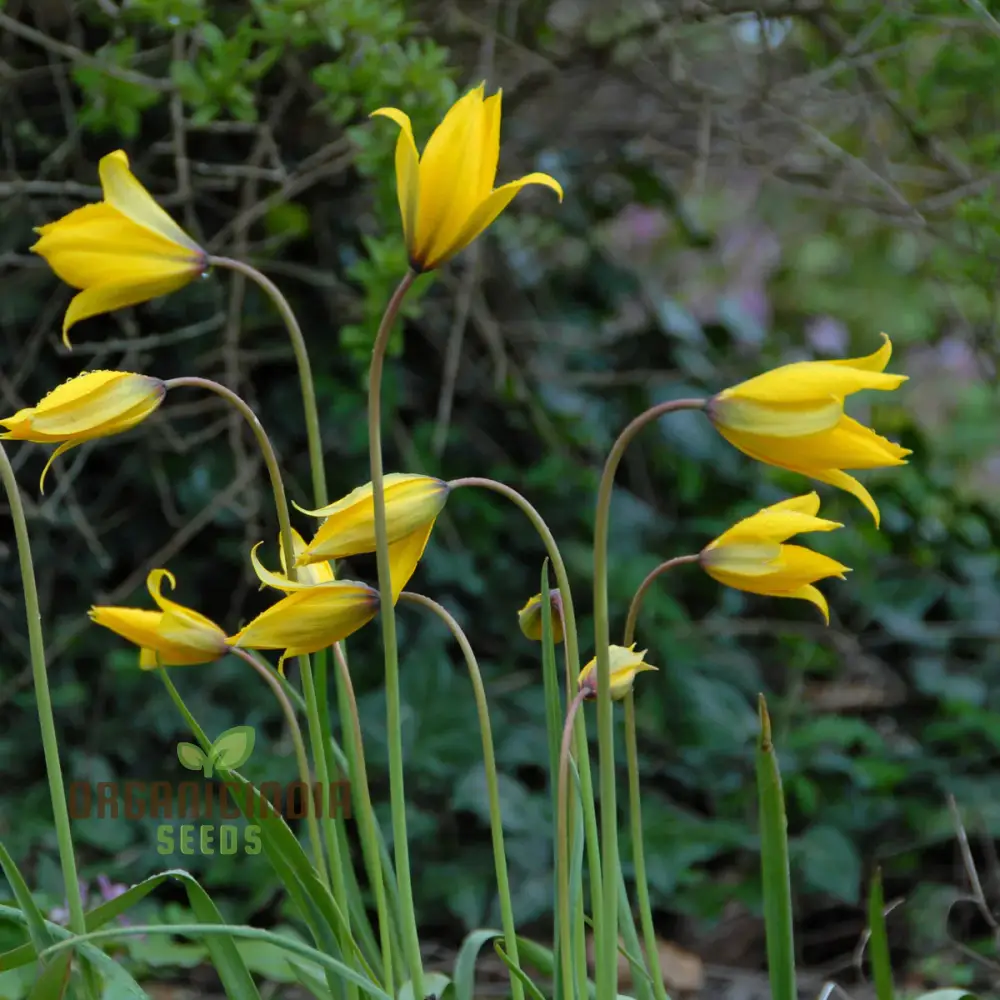
Meconopsis Napaulensis Flower Seeds for Planting, Rare and Beautiful Himalayan Blue Poppy Seeds for Gardening
Meconopsis napaulensis Flower Seeds – Rare and Stunning Himalayan Poppy for Your Garden
Scientific Name: Meconopsis napaulensis
Common Name: Nepal Poppy, Himalayan Poppy
Plant Type: Perennial (short-lived), Herbaceous
Flower Color: Shades of blue, pink, red, or purple, depending on growing conditions
Mature Height: 3 to 6 feet
Spread: 12 to 18 inches
Light Requirements: Partial shade to dappled sunlight
Soil Requirements: Well-drained, moist, rich in organic matter, slightly acidic
Watering Needs: Moderate to high; prefers consistently moist soil
Blooming Season: Late spring to early summer
Uses: Woodland gardens, shaded borders, alpine gardens, pollinator-friendly spaces
Product Details
- Germination Rate: Moderate; requires cold stratification for better success
- Cold Hardiness: Suitable for USDA zones 5-8
- Growth Speed: Slow to moderate; requires patience but rewards with stunning blooms
- Wildlife Benefits: Attracts bees, butterflies, and other pollinators
- Maintenance Level: Moderate to high; requires specific growing conditions
Planting Instructions
Seed Preparation and Sowing
- Best Planting Time: Fall to early spring
- Sowing Method:
- Cold stratify seeds by placing them in a moist medium (such as damp sand or peat moss) in the refrigerator for 4-6 weeks before sowing.
- Sow seeds on the surface of the soil and lightly press down without covering, as they need light for germination.
- Use a well-draining seed mix with a slightly acidic pH.
- Spacing: 12 to 18 inches apart to allow for proper airflow.
- Germination Time: 4 to 8 weeks at cool temperatures (50-60°F).
Care and Maintenance
- Watering: Keep the soil consistently moist, especially during warm months, but avoid waterlogging.
- Fertilization: Use an organic, slow-release fertilizer or compost in early spring for strong growth.
- Pruning: Remove spent flowers to encourage foliage growth, but allow some seed heads to mature if you wish to collect seeds.
- Pest and Disease Resistance: Generally resistant to pests, though slugs and snails may occasionally be an issue in damp conditions.
- Winter Care: Mulch lightly in colder climates to protect young plants.
Why Grow Meconopsis Napaulensis?
- Exquisite and Rare Beauty: This stunning poppy variety is known for its striking flowers in rich jewel tones, creating an unforgettable display.
- Perfect for Cool, Shaded Gardens: Thrives in woodland settings and alpine gardens, making it a prized addition to temperate gardens.
- Pollinator-Friendly: Attracts bees and butterflies, supporting biodiversity.
- A Collector’s Favorite: A must-have for plant enthusiasts who appreciate unique and challenging-to-grow species.
Companion Planting Suggestions
- Pairs beautifully with ferns, hostas, and astilbes for a lush, woodland garden look.
- Complements other shade-loving perennials like Primula, Trillium, and Dicentra (Bleeding Heart).
- Looks stunning alongside other Meconopsis species for a dramatic Himalayan-inspired garden.
Add a Touch of the Himalayas to Your Garden
Bring the rare beauty of Meconopsis napaulensis into your landscape with these exceptional seeds. Whether planted in woodland gardens or as a statement piece in shaded borders, this Himalayan poppy will add an exotic and captivating touch to your outdoor space.
Meconopsis napaulensis Flower Seeds – Rare and Stunning Himalayan Poppy for Your Garden
Scientific Name: Meconopsis napaulensis
Common Name: Nepal Poppy, Himalayan Poppy
Plant Type: Perennial (short-lived), Herbaceous
Flower Color: Shades of blue, pink, red, or purple, depending on growing conditions
Mature Height: 3 to 6 feet
Spread: 12 to 18 inches
Light Requirements: Partial shade to dappled sunlight
Soil Requirements: Well-drained, moist, rich in organic matter, slightly acidic
Watering Needs: Moderate to high; prefers consistently moist soil
Blooming Season: Late spring to early summer
Uses: Woodland gardens, shaded borders, alpine gardens, pollinator-friendly spaces
Product Details
- Germination Rate: Moderate; requires cold stratification for better success
- Cold Hardiness: Suitable for USDA zones 5-8
- Growth Speed: Slow to moderate; requires patience but rewards with stunning blooms
- Wildlife Benefits: Attracts bees, butterflies, and other pollinators
- Maintenance Level: Moderate to high; requires specific growing conditions
Planting Instructions
Seed Preparation and Sowing
- Best Planting Time: Fall to early spring
- Sowing Method:
- Cold stratify seeds by placing them in a moist medium (such as damp sand or peat moss) in the refrigerator for 4-6 weeks before sowing.
- Sow seeds on the surface of the soil and lightly press down without covering, as they need light for germination.
- Use a well-draining seed mix with a slightly acidic pH.
- Spacing: 12 to 18 inches apart to allow for proper airflow.
- Germination Time: 4 to 8 weeks at cool temperatures (50-60°F).
Care and Maintenance
- Watering: Keep the soil consistently moist, especially during warm months, but avoid waterlogging.
- Fertilization: Use an organic, slow-release fertilizer or compost in early spring for strong growth.
- Pruning: Remove spent flowers to encourage foliage growth, but allow some seed heads to mature if you wish to collect seeds.
- Pest and Disease Resistance: Generally resistant to pests, though slugs and snails may occasionally be an issue in damp conditions.
- Winter Care: Mulch lightly in colder climates to protect young plants.
Why Grow Meconopsis Napaulensis?
- Exquisite and Rare Beauty: This stunning poppy variety is known for its striking flowers in rich jewel tones, creating an unforgettable display.
- Perfect for Cool, Shaded Gardens: Thrives in woodland settings and alpine gardens, making it a prized addition to temperate gardens.
- Pollinator-Friendly: Attracts bees and butterflies, supporting biodiversity.
- A Collector’s Favorite: A must-have for plant enthusiasts who appreciate unique and challenging-to-grow species.
Companion Planting Suggestions
- Pairs beautifully with ferns, hostas, and astilbes for a lush, woodland garden look.
- Complements other shade-loving perennials like Primula, Trillium, and Dicentra (Bleeding Heart).
- Looks stunning alongside other Meconopsis species for a dramatic Himalayan-inspired garden.
Add a Touch of the Himalayas to Your Garden
Bring the rare beauty of Meconopsis napaulensis into your landscape with these exceptional seeds. Whether planted in woodland gardens or as a statement piece in shaded borders, this Himalayan poppy will add an exotic and captivating touch to your outdoor space.
Description
Meconopsis napaulensis Flower Seeds – Rare and Stunning Himalayan Poppy for Your Garden
Scientific Name: Meconopsis napaulensis
Common Name: Nepal Poppy, Himalayan Poppy
Plant Type: Perennial (short-lived), Herbaceous
Flower Color: Shades of blue, pink, red, or purple, depending on growing conditions
Mature Height: 3 to 6 feet
Spread: 12 to 18 inches
Light Requirements: Partial shade to dappled sunlight
Soil Requirements: Well-drained, moist, rich in organic matter, slightly acidic
Watering Needs: Moderate to high; prefers consistently moist soil
Blooming Season: Late spring to early summer
Uses: Woodland gardens, shaded borders, alpine gardens, pollinator-friendly spaces
Product Details
- Germination Rate: Moderate; requires cold stratification for better success
- Cold Hardiness: Suitable for USDA zones 5-8
- Growth Speed: Slow to moderate; requires patience but rewards with stunning blooms
- Wildlife Benefits: Attracts bees, butterflies, and other pollinators
- Maintenance Level: Moderate to high; requires specific growing conditions
Planting Instructions
Seed Preparation and Sowing
- Best Planting Time: Fall to early spring
- Sowing Method:
- Cold stratify seeds by placing them in a moist medium (such as damp sand or peat moss) in the refrigerator for 4-6 weeks before sowing.
- Sow seeds on the surface of the soil and lightly press down without covering, as they need light for germination.
- Use a well-draining seed mix with a slightly acidic pH.
- Spacing: 12 to 18 inches apart to allow for proper airflow.
- Germination Time: 4 to 8 weeks at cool temperatures (50-60°F).
Care and Maintenance
- Watering: Keep the soil consistently moist, especially during warm months, but avoid waterlogging.
- Fertilization: Use an organic, slow-release fertilizer or compost in early spring for strong growth.
- Pruning: Remove spent flowers to encourage foliage growth, but allow some seed heads to mature if you wish to collect seeds.
- Pest and Disease Resistance: Generally resistant to pests, though slugs and snails may occasionally be an issue in damp conditions.
- Winter Care: Mulch lightly in colder climates to protect young plants.
Why Grow Meconopsis Napaulensis?
- Exquisite and Rare Beauty: This stunning poppy variety is known for its striking flowers in rich jewel tones, creating an unforgettable display.
- Perfect for Cool, Shaded Gardens: Thrives in woodland settings and alpine gardens, making it a prized addition to temperate gardens.
- Pollinator-Friendly: Attracts bees and butterflies, supporting biodiversity.
- A Collector’s Favorite: A must-have for plant enthusiasts who appreciate unique and challenging-to-grow species.
Companion Planting Suggestions
- Pairs beautifully with ferns, hostas, and astilbes for a lush, woodland garden look.
- Complements other shade-loving perennials like Primula, Trillium, and Dicentra (Bleeding Heart).
- Looks stunning alongside other Meconopsis species for a dramatic Himalayan-inspired garden.
Add a Touch of the Himalayas to Your Garden
Bring the rare beauty of Meconopsis napaulensis into your landscape with these exceptional seeds. Whether planted in woodland gardens or as a statement piece in shaded borders, this Himalayan poppy will add an exotic and captivating touch to your outdoor space.