Nemaguard Peach Fruit Seeds
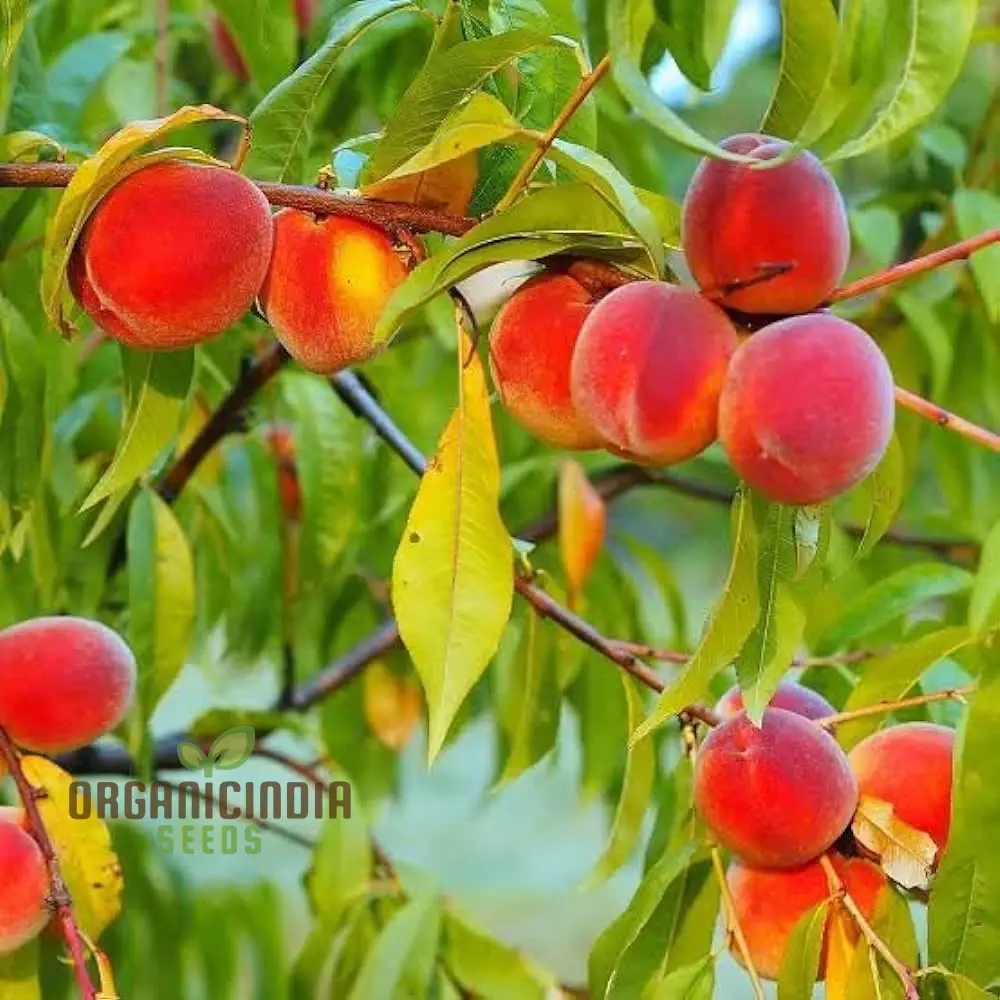
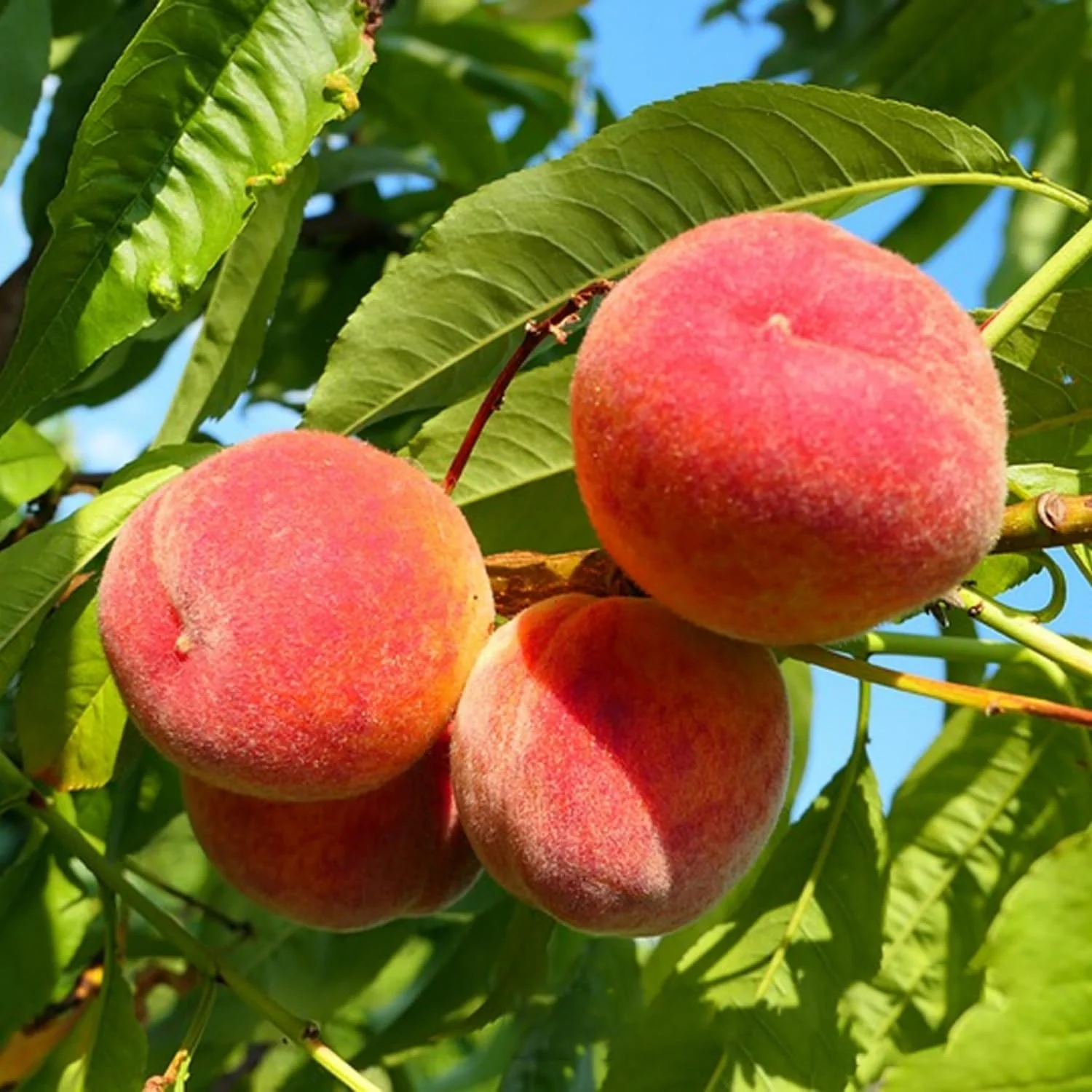
Grow Nemaguard Peach Trees (Prunus persica) from premium Non-GMO seeds and enjoy strong, fast-growing trees known for their disease and nematode resistance. Originally developed for improved rootstock performance, Nemaguard peaches are valued for their vigor, adaptability, and consistent fruit production in warm and temperate climates.
These trees produce sweet, medium-sized peaches perfect for fresh eating, canning, or baking. With excellent soil adaptability and pest tolerance, Nemaguard Peach seeds are ideal for gardeners and orchardists looking to cultivate reliable, long-living fruit trees.
Features:
-
Hardy and nematode-resistant peach tree variety
-
Produces sweet, flavorful fruits
-
Non-GMO and naturally sourced seeds
-
Adaptable to various soil types
-
Perfect for home gardens and orchards
Specifications:
-
Common Name: Nemaguard Peach
-
Scientific Name: Prunus persica ‘Nemaguard’
-
Plant Type: Deciduous fruit tree
-
Growth Habit: Upright, vigorous
-
Height: 12–20 feet (3.6–6 m)
-
Spread: 12–18 feet (3.6–5.4 m)
-
Fruit Characteristics: Medium-sized, yellow-fleshed, sweet peaches
-
Bloom Time: Early to mid-spring
-
Harvest Season: Mid to late summer
-
USDA Hardiness Zones: 6–9
-
Sun Exposure: Full sun (6–8 hours daily)
-
Soil Type: Well-drained loamy or sandy soil
-
Soil pH: 6.0–7.5
-
Watering: Moderate; avoid waterlogging
-
Temperature Range: 60–90°F (16–32°C)
-
Season: Best planted in spring
-
Germination Time: 30–90 days (requires stratification)
-
Plant Spacing: 15–20 feet apart
-
Pollination: Self-pollinating
-
GMO Status: Non-GMO
-
Organic Status: Naturally grown (non-certified)
Planting Guide:
-
Cold stratify seeds at 35–40°F for 8–10 weeks before sowing.
-
Sow seeds 1–2 inches deep in moist, well-drained soil.
-
Keep soil evenly moist but not waterlogged.
-
Place in a sunny location or under grow lights until germination.
-
Transplant seedlings outdoors after the last frost.
-
Provide regular watering during establishment.
-
Prune annually to encourage strong structure and fruit production.
Grow Nemaguard Peach Trees (Prunus persica) from premium Non-GMO seeds and enjoy strong, fast-growing trees known for their disease and nematode resistance. Originally developed for improved rootstock performance, Nemaguard peaches are valued for their vigor, adaptability, and consistent fruit production in warm and temperate climates.
These trees produce sweet, medium-sized peaches perfect for fresh eating, canning, or baking. With excellent soil adaptability and pest tolerance, Nemaguard Peach seeds are ideal for gardeners and orchardists looking to cultivate reliable, long-living fruit trees.
Features:
-
Hardy and nematode-resistant peach tree variety
-
Produces sweet, flavorful fruits
-
Non-GMO and naturally sourced seeds
-
Adaptable to various soil types
-
Perfect for home gardens and orchards
Specifications:
-
Common Name: Nemaguard Peach
-
Scientific Name: Prunus persica ‘Nemaguard’
-
Plant Type: Deciduous fruit tree
-
Growth Habit: Upright, vigorous
-
Height: 12–20 feet (3.6–6 m)
-
Spread: 12–18 feet (3.6–5.4 m)
-
Fruit Characteristics: Medium-sized, yellow-fleshed, sweet peaches
-
Bloom Time: Early to mid-spring
-
Harvest Season: Mid to late summer
-
USDA Hardiness Zones: 6–9
-
Sun Exposure: Full sun (6–8 hours daily)
-
Soil Type: Well-drained loamy or sandy soil
-
Soil pH: 6.0–7.5
-
Watering: Moderate; avoid waterlogging
-
Temperature Range: 60–90°F (16–32°C)
-
Season: Best planted in spring
-
Germination Time: 30–90 days (requires stratification)
-
Plant Spacing: 15–20 feet apart
-
Pollination: Self-pollinating
-
GMO Status: Non-GMO
-
Organic Status: Naturally grown (non-certified)
Planting Guide:
-
Cold stratify seeds at 35–40°F for 8–10 weeks before sowing.
-
Sow seeds 1–2 inches deep in moist, well-drained soil.
-
Keep soil evenly moist but not waterlogged.
-
Place in a sunny location or under grow lights until germination.
-
Transplant seedlings outdoors after the last frost.
-
Provide regular watering during establishment.
-
Prune annually to encourage strong structure and fruit production.
Original: $14.99
-65%$14.99
$5.25Description
Grow Nemaguard Peach Trees (Prunus persica) from premium Non-GMO seeds and enjoy strong, fast-growing trees known for their disease and nematode resistance. Originally developed for improved rootstock performance, Nemaguard peaches are valued for their vigor, adaptability, and consistent fruit production in warm and temperate climates.
These trees produce sweet, medium-sized peaches perfect for fresh eating, canning, or baking. With excellent soil adaptability and pest tolerance, Nemaguard Peach seeds are ideal for gardeners and orchardists looking to cultivate reliable, long-living fruit trees.
Features:
-
Hardy and nematode-resistant peach tree variety
-
Produces sweet, flavorful fruits
-
Non-GMO and naturally sourced seeds
-
Adaptable to various soil types
-
Perfect for home gardens and orchards
Specifications:
-
Common Name: Nemaguard Peach
-
Scientific Name: Prunus persica ‘Nemaguard’
-
Plant Type: Deciduous fruit tree
-
Growth Habit: Upright, vigorous
-
Height: 12–20 feet (3.6–6 m)
-
Spread: 12–18 feet (3.6–5.4 m)
-
Fruit Characteristics: Medium-sized, yellow-fleshed, sweet peaches
-
Bloom Time: Early to mid-spring
-
Harvest Season: Mid to late summer
-
USDA Hardiness Zones: 6–9
-
Sun Exposure: Full sun (6–8 hours daily)
-
Soil Type: Well-drained loamy or sandy soil
-
Soil pH: 6.0–7.5
-
Watering: Moderate; avoid waterlogging
-
Temperature Range: 60–90°F (16–32°C)
-
Season: Best planted in spring
-
Germination Time: 30–90 days (requires stratification)
-
Plant Spacing: 15–20 feet apart
-
Pollination: Self-pollinating
-
GMO Status: Non-GMO
-
Organic Status: Naturally grown (non-certified)
Planting Guide:
-
Cold stratify seeds at 35–40°F for 8–10 weeks before sowing.
-
Sow seeds 1–2 inches deep in moist, well-drained soil.
-
Keep soil evenly moist but not waterlogged.
-
Place in a sunny location or under grow lights until germination.
-
Transplant seedlings outdoors after the last frost.
-
Provide regular watering during establishment.
-
Prune annually to encourage strong structure and fruit production.