Rampicante Rose Bonsai Seeds for Planting - 100 pcs
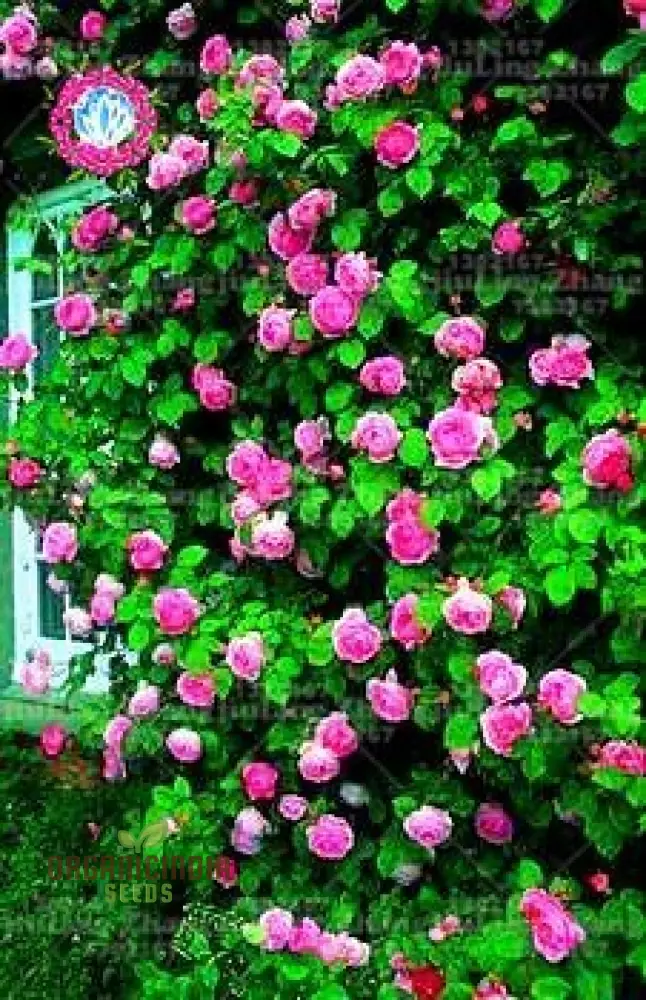
Rampicante Rose Bonsai Seeds (Rosa spp.) are an exciting option for bonsai enthusiasts who want to grow a unique and beautiful flowering bonsai tree. The Rampicante Rose is a climbing rose variety known for its vibrant, fragrant blooms and graceful climbing habit. When cultivated as a bonsai, it offers the charm of a full-sized rose bush in a miniature, manageable form, making it a wonderful addition to any bonsai collection.
Key Features:
- Scientific Name: Rosa spp. (Rampicante Rose)
- Common Name: Rampicante Rose, Climbing Rose
- Bloom Color: Typically comes in shades of red, pink, white, or yellow
- Plant Type: Perennial (can be treated as a bonsai)
- Sun Requirements: Full sun to partial shade
- Soil Type: Well-draining, slightly acidic soil
- Watering Needs: Moderate; prefers moist but not soggy conditions
- Growth Habit: Climbing, with cascading or trailing growth (when trained as a bonsai, the growth can be shaped and controlled)
- Height & Spread: The mature bonsai typically grows 6-12 inches tall, depending on the training and pruning.
- Hardiness Zones: USDA 5-10 (treated as an annual in colder climates or brought indoors during winter)
Why Grow Rampicante Rose Bonsai Seeds?
- Unique Appearance: The Rampicante Rose offers the classic beauty of roses in a miniature form, perfect for bonsai cultivation. The blooms, often fragrant and colorful, make it a showstopper in any garden or home.
- Fragrant Flowers: Known for its sweet fragrance, the Rampicante Rose will fill your space with a delightful scent, making it a sensory treat.
- Low-Maintenance Bonsai: Once established, this bonsai variety is relatively low maintenance, making it suitable for both beginner and experienced bonsai gardeners.
- Compact Size: When grown as a bonsai, the climbing nature of the Rampicante Rose is controlled and shaped, making it ideal for small spaces or indoor environments.
- Attracts Pollinators: The flowers of the Rampicante Rose attract bees, butterflies, and other pollinators, benefiting the local ecosystem.
Planting & Care Instructions:
-
Seed Preparation & Sowing:
- Cold Stratification: Roses generally benefit from cold stratification. To break seed dormancy, place seeds in a damp paper towel inside a plastic bag and refrigerate for 30 days.
- Sowing: After stratification, sow seeds on the surface of a moist, well-draining seed-starting mix. Lightly press the seeds into the soil but do not cover them with soil, as rose seeds need light to germinate.
- Temperature & Lighting: Keep the soil temperature between 65-75°F (18-24°C) for optimal germination. Place the seed tray in a sunny location or under grow lights. Germination may take 2-6 weeks.
-
Transplanting & Growth:
- Transplanting: Once the seedlings have grown large enough to handle and the danger of frost has passed, transplant them into a container or bonsai pot. Choose a container that is wide enough to allow the roots to grow but shallow enough for bonsai training.
- Training: As a climbing rose, the Rampicante Rose will need to be pruned and trained to grow in a bonsai shape. Use wire to guide the branches in the desired direction, and prune the plant regularly to maintain the compact, controlled size of a bonsai.
- Spacing: While training, ensure the plant is spaced adequately from other plants to allow the branches to develop properly.
-
Maintenance:
- Watering: Keep the soil consistently moist but not soggy. Bonsai plants generally prefer slightly dry conditions, but they should never be allowed to dry out completely.
- Fertilizing: Apply a balanced, slow-release fertilizer during the growing season (spring through fall). This will support the growth of the bonsai and encourage flowering.
- Pruning: Regular pruning is essential to maintain the compact size of the bonsai. Trim back new growth and dead or damaged wood regularly to encourage a healthy structure.
- Re-potting: Re-pot your bonsai every 2-3 years to refresh the soil and prevent root overcrowding. Be gentle with the roots when re-potting, as rose bonsai roots can be delicate.
-
Winter Care:
- In colder climates, bring the bonsai indoors during the winter months to protect it from frost. Ensure the plant receives plenty of light, either from natural sunlight or artificial grow lights.
- In warmer climates (zones 8-10), the Rampicante Rose bonsai can be grown outdoors year-round. Be sure to protect it from extreme cold if necessary.
Ideal For:
- Indoor Bonsai: The compact size and controlled growth of the Rampicante Rose make it an excellent choice for indoor bonsai cultivation.
- Outdoor Bonsai: In warmer climates, this rose bonsai can be grown outdoors as a beautiful addition to your garden or patio.
- Bonsai Exhibitions: The Rampicante Rose, with its delicate flowers and elegant growth habit, is perfect for bonsai shows or competitions.
- Home Decor: This flowering bonsai is ideal for adding color and elegance to home or office spaces, creating a stunning focal point in any room.
Rampicante Rose Bonsai Seeds offer a unique and rewarding challenge for bonsai enthusiasts. With the right care, patience, and training, you can grow a beautiful, fragrant, and elegant Rampicante Rose Bonsai that will bloom year after year, filling your space with natural beauty. Start growing your own today!
Rampicante Rose Bonsai Seeds (Rosa spp.) are an exciting option for bonsai enthusiasts who want to grow a unique and beautiful flowering bonsai tree. The Rampicante Rose is a climbing rose variety known for its vibrant, fragrant blooms and graceful climbing habit. When cultivated as a bonsai, it offers the charm of a full-sized rose bush in a miniature, manageable form, making it a wonderful addition to any bonsai collection.
Key Features:
- Scientific Name: Rosa spp. (Rampicante Rose)
- Common Name: Rampicante Rose, Climbing Rose
- Bloom Color: Typically comes in shades of red, pink, white, or yellow
- Plant Type: Perennial (can be treated as a bonsai)
- Sun Requirements: Full sun to partial shade
- Soil Type: Well-draining, slightly acidic soil
- Watering Needs: Moderate; prefers moist but not soggy conditions
- Growth Habit: Climbing, with cascading or trailing growth (when trained as a bonsai, the growth can be shaped and controlled)
- Height & Spread: The mature bonsai typically grows 6-12 inches tall, depending on the training and pruning.
- Hardiness Zones: USDA 5-10 (treated as an annual in colder climates or brought indoors during winter)
Why Grow Rampicante Rose Bonsai Seeds?
- Unique Appearance: The Rampicante Rose offers the classic beauty of roses in a miniature form, perfect for bonsai cultivation. The blooms, often fragrant and colorful, make it a showstopper in any garden or home.
- Fragrant Flowers: Known for its sweet fragrance, the Rampicante Rose will fill your space with a delightful scent, making it a sensory treat.
- Low-Maintenance Bonsai: Once established, this bonsai variety is relatively low maintenance, making it suitable for both beginner and experienced bonsai gardeners.
- Compact Size: When grown as a bonsai, the climbing nature of the Rampicante Rose is controlled and shaped, making it ideal for small spaces or indoor environments.
- Attracts Pollinators: The flowers of the Rampicante Rose attract bees, butterflies, and other pollinators, benefiting the local ecosystem.
Planting & Care Instructions:
-
Seed Preparation & Sowing:
- Cold Stratification: Roses generally benefit from cold stratification. To break seed dormancy, place seeds in a damp paper towel inside a plastic bag and refrigerate for 30 days.
- Sowing: After stratification, sow seeds on the surface of a moist, well-draining seed-starting mix. Lightly press the seeds into the soil but do not cover them with soil, as rose seeds need light to germinate.
- Temperature & Lighting: Keep the soil temperature between 65-75°F (18-24°C) for optimal germination. Place the seed tray in a sunny location or under grow lights. Germination may take 2-6 weeks.
-
Transplanting & Growth:
- Transplanting: Once the seedlings have grown large enough to handle and the danger of frost has passed, transplant them into a container or bonsai pot. Choose a container that is wide enough to allow the roots to grow but shallow enough for bonsai training.
- Training: As a climbing rose, the Rampicante Rose will need to be pruned and trained to grow in a bonsai shape. Use wire to guide the branches in the desired direction, and prune the plant regularly to maintain the compact, controlled size of a bonsai.
- Spacing: While training, ensure the plant is spaced adequately from other plants to allow the branches to develop properly.
-
Maintenance:
- Watering: Keep the soil consistently moist but not soggy. Bonsai plants generally prefer slightly dry conditions, but they should never be allowed to dry out completely.
- Fertilizing: Apply a balanced, slow-release fertilizer during the growing season (spring through fall). This will support the growth of the bonsai and encourage flowering.
- Pruning: Regular pruning is essential to maintain the compact size of the bonsai. Trim back new growth and dead or damaged wood regularly to encourage a healthy structure.
- Re-potting: Re-pot your bonsai every 2-3 years to refresh the soil and prevent root overcrowding. Be gentle with the roots when re-potting, as rose bonsai roots can be delicate.
-
Winter Care:
- In colder climates, bring the bonsai indoors during the winter months to protect it from frost. Ensure the plant receives plenty of light, either from natural sunlight or artificial grow lights.
- In warmer climates (zones 8-10), the Rampicante Rose bonsai can be grown outdoors year-round. Be sure to protect it from extreme cold if necessary.
Ideal For:
- Indoor Bonsai: The compact size and controlled growth of the Rampicante Rose make it an excellent choice for indoor bonsai cultivation.
- Outdoor Bonsai: In warmer climates, this rose bonsai can be grown outdoors as a beautiful addition to your garden or patio.
- Bonsai Exhibitions: The Rampicante Rose, with its delicate flowers and elegant growth habit, is perfect for bonsai shows or competitions.
- Home Decor: This flowering bonsai is ideal for adding color and elegance to home or office spaces, creating a stunning focal point in any room.
Rampicante Rose Bonsai Seeds offer a unique and rewarding challenge for bonsai enthusiasts. With the right care, patience, and training, you can grow a beautiful, fragrant, and elegant Rampicante Rose Bonsai that will bloom year after year, filling your space with natural beauty. Start growing your own today!
Original: $14.99
-65%$14.99
$5.25Description
Rampicante Rose Bonsai Seeds (Rosa spp.) are an exciting option for bonsai enthusiasts who want to grow a unique and beautiful flowering bonsai tree. The Rampicante Rose is a climbing rose variety known for its vibrant, fragrant blooms and graceful climbing habit. When cultivated as a bonsai, it offers the charm of a full-sized rose bush in a miniature, manageable form, making it a wonderful addition to any bonsai collection.
Key Features:
- Scientific Name: Rosa spp. (Rampicante Rose)
- Common Name: Rampicante Rose, Climbing Rose
- Bloom Color: Typically comes in shades of red, pink, white, or yellow
- Plant Type: Perennial (can be treated as a bonsai)
- Sun Requirements: Full sun to partial shade
- Soil Type: Well-draining, slightly acidic soil
- Watering Needs: Moderate; prefers moist but not soggy conditions
- Growth Habit: Climbing, with cascading or trailing growth (when trained as a bonsai, the growth can be shaped and controlled)
- Height & Spread: The mature bonsai typically grows 6-12 inches tall, depending on the training and pruning.
- Hardiness Zones: USDA 5-10 (treated as an annual in colder climates or brought indoors during winter)
Why Grow Rampicante Rose Bonsai Seeds?
- Unique Appearance: The Rampicante Rose offers the classic beauty of roses in a miniature form, perfect for bonsai cultivation. The blooms, often fragrant and colorful, make it a showstopper in any garden or home.
- Fragrant Flowers: Known for its sweet fragrance, the Rampicante Rose will fill your space with a delightful scent, making it a sensory treat.
- Low-Maintenance Bonsai: Once established, this bonsai variety is relatively low maintenance, making it suitable for both beginner and experienced bonsai gardeners.
- Compact Size: When grown as a bonsai, the climbing nature of the Rampicante Rose is controlled and shaped, making it ideal for small spaces or indoor environments.
- Attracts Pollinators: The flowers of the Rampicante Rose attract bees, butterflies, and other pollinators, benefiting the local ecosystem.
Planting & Care Instructions:
-
Seed Preparation & Sowing:
- Cold Stratification: Roses generally benefit from cold stratification. To break seed dormancy, place seeds in a damp paper towel inside a plastic bag and refrigerate for 30 days.
- Sowing: After stratification, sow seeds on the surface of a moist, well-draining seed-starting mix. Lightly press the seeds into the soil but do not cover them with soil, as rose seeds need light to germinate.
- Temperature & Lighting: Keep the soil temperature between 65-75°F (18-24°C) for optimal germination. Place the seed tray in a sunny location or under grow lights. Germination may take 2-6 weeks.
-
Transplanting & Growth:
- Transplanting: Once the seedlings have grown large enough to handle and the danger of frost has passed, transplant them into a container or bonsai pot. Choose a container that is wide enough to allow the roots to grow but shallow enough for bonsai training.
- Training: As a climbing rose, the Rampicante Rose will need to be pruned and trained to grow in a bonsai shape. Use wire to guide the branches in the desired direction, and prune the plant regularly to maintain the compact, controlled size of a bonsai.
- Spacing: While training, ensure the plant is spaced adequately from other plants to allow the branches to develop properly.
-
Maintenance:
- Watering: Keep the soil consistently moist but not soggy. Bonsai plants generally prefer slightly dry conditions, but they should never be allowed to dry out completely.
- Fertilizing: Apply a balanced, slow-release fertilizer during the growing season (spring through fall). This will support the growth of the bonsai and encourage flowering.
- Pruning: Regular pruning is essential to maintain the compact size of the bonsai. Trim back new growth and dead or damaged wood regularly to encourage a healthy structure.
- Re-potting: Re-pot your bonsai every 2-3 years to refresh the soil and prevent root overcrowding. Be gentle with the roots when re-potting, as rose bonsai roots can be delicate.
-
Winter Care:
- In colder climates, bring the bonsai indoors during the winter months to protect it from frost. Ensure the plant receives plenty of light, either from natural sunlight or artificial grow lights.
- In warmer climates (zones 8-10), the Rampicante Rose bonsai can be grown outdoors year-round. Be sure to protect it from extreme cold if necessary.
Ideal For:
- Indoor Bonsai: The compact size and controlled growth of the Rampicante Rose make it an excellent choice for indoor bonsai cultivation.
- Outdoor Bonsai: In warmer climates, this rose bonsai can be grown outdoors as a beautiful addition to your garden or patio.
- Bonsai Exhibitions: The Rampicante Rose, with its delicate flowers and elegant growth habit, is perfect for bonsai shows or competitions.
- Home Decor: This flowering bonsai is ideal for adding color and elegance to home or office spaces, creating a stunning focal point in any room.
Rampicante Rose Bonsai Seeds offer a unique and rewarding challenge for bonsai enthusiasts. With the right care, patience, and training, you can grow a beautiful, fragrant, and elegant Rampicante Rose Bonsai that will bloom year after year, filling your space with natural beauty. Start growing your own today!