RASPBERRY GLAUCUS (ANDEAN VARIETY) Seeds for Your Gardening Needs
Key Features:
-
Unique Andean Variety: Raspberry Glaucus, native to the Andes, produces aromatic, tangy-sweet berries.
-
High-Yield Plants: Known for excellent fruit production and adaptability in mild to cool climates.
-
Nutrient-Rich Fruit: Rich in antioxidants, vitamins, and natural sweetness.
-
Non-GMO Quality: Naturally bred, untreated, and safe for organic gardening.
-
Versatile Growth: Ideal for backyard gardens, raised beds, or large containers.
-
Cold-Tolerant: Thrives in high-altitude or temperate regions with proper care.
-
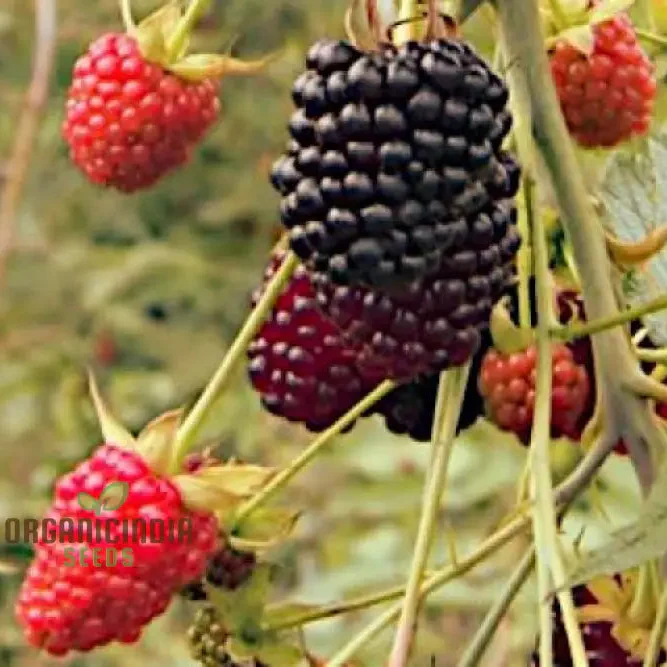
Beautiful Ornamental Appeal: Attractive green foliage and red berries add color to your garden.
Specifications:
-
Scientific Name: Rubus glaucus
-
Common Name (US): Andean Raspberry / Mora de Castilla
-
Plant Type: Perennial shrub
-
Seed Type: Non-GMO, Untreated, Heirloom Variety
-
Fruit Type: Medium-sized, deep red raspberries
-
Growth Habit: Semi-climbing shrub with long canes
-
Mature Height: 4–8 feet
-
Sun Exposure: Full Sun to Partial Shade
-
Soil Type: Rich, well-drained loamy soil
-
Soil pH: 5.5–6.5 (slightly acidic)
-
Water Requirements: Moderate, consistent moisture preferred
-
USDA Hardiness Zones: 8–11
-
Germination Time: 20–45 days
-
Germination Temperature: 70–80°F (21–27°C)
-
Spacing: 2–3 feet apart
-
Maintenance Level: Moderate; pruning improves yield
-
Harvest Time: Late summer to early fall
-
Lifespan: Perennial, productive for several years with proper care
Planting Guide:
-
Seed Preparation: Stratify seeds by refrigerating them in moist sand for 30–45 days to improve germination.
-
Sowing Depth: Sow seeds ¼ inch deep in seed trays or small pots.
-
Soil: Use a moist, well-draining mix enriched with compost.
-
Light & Temperature: Place in a warm, bright spot; partial sunlight during germination is ideal.
-
Transplanting: Transplant seedlings when they reach 3–4 inches in height.
-
Watering: Keep soil evenly moist; avoid overwatering.
-
Fertilization: Use a balanced organic fertilizer or compost during active growth.
-
Pruning: Trim canes after fruiting to encourage healthy regrowth.
Key Features:
-
Unique Andean Variety: Raspberry Glaucus, native to the Andes, produces aromatic, tangy-sweet berries.
-
High-Yield Plants: Known for excellent fruit production and adaptability in mild to cool climates.
-
Nutrient-Rich Fruit: Rich in antioxidants, vitamins, and natural sweetness.
-
Non-GMO Quality: Naturally bred, untreated, and safe for organic gardening.
-
Versatile Growth: Ideal for backyard gardens, raised beds, or large containers.
-
Cold-Tolerant: Thrives in high-altitude or temperate regions with proper care.
-
Beautiful Ornamental Appeal: Attractive green foliage and red berries add color to your garden.
Specifications:
-
Scientific Name: Rubus glaucus
-
Common Name (US): Andean Raspberry / Mora de Castilla
-
Plant Type: Perennial shrub
-
Seed Type: Non-GMO, Untreated, Heirloom Variety
-
Fruit Type: Medium-sized, deep red raspberries
-
Growth Habit: Semi-climbing shrub with long canes
-
Mature Height: 4–8 feet
-
Sun Exposure: Full Sun to Partial Shade
-
Soil Type: Rich, well-drained loamy soil
-
Soil pH: 5.5–6.5 (slightly acidic)
-
Water Requirements: Moderate, consistent moisture preferred
-
USDA Hardiness Zones: 8–11
-
Germination Time: 20–45 days
-
Germination Temperature: 70–80°F (21–27°C)
-
Spacing: 2–3 feet apart
-
Maintenance Level: Moderate; pruning improves yield
-
Harvest Time: Late summer to early fall
-
Lifespan: Perennial, productive for several years with proper care
Planting Guide:
-
Seed Preparation: Stratify seeds by refrigerating them in moist sand for 30–45 days to improve germination.
-
Sowing Depth: Sow seeds ¼ inch deep in seed trays or small pots.
-
Soil: Use a moist, well-draining mix enriched with compost.
-
Light & Temperature: Place in a warm, bright spot; partial sunlight during germination is ideal.
-
Transplanting: Transplant seedlings when they reach 3–4 inches in height.
-
Watering: Keep soil evenly moist; avoid overwatering.
-
Fertilization: Use a balanced organic fertilizer or compost during active growth.
-
Pruning: Trim canes after fruiting to encourage healthy regrowth.
Original: $14.99
-65%$14.99
$5.25Description
Key Features:
-
Unique Andean Variety: Raspberry Glaucus, native to the Andes, produces aromatic, tangy-sweet berries.
-
High-Yield Plants: Known for excellent fruit production and adaptability in mild to cool climates.
-
Nutrient-Rich Fruit: Rich in antioxidants, vitamins, and natural sweetness.
-
Non-GMO Quality: Naturally bred, untreated, and safe for organic gardening.
-
Versatile Growth: Ideal for backyard gardens, raised beds, or large containers.
-
Cold-Tolerant: Thrives in high-altitude or temperate regions with proper care.
-
Beautiful Ornamental Appeal: Attractive green foliage and red berries add color to your garden.
Specifications:
-
Scientific Name: Rubus glaucus
-
Common Name (US): Andean Raspberry / Mora de Castilla
-
Plant Type: Perennial shrub
-
Seed Type: Non-GMO, Untreated, Heirloom Variety
-
Fruit Type: Medium-sized, deep red raspberries
-
Growth Habit: Semi-climbing shrub with long canes
-
Mature Height: 4–8 feet
-
Sun Exposure: Full Sun to Partial Shade
-
Soil Type: Rich, well-drained loamy soil
-
Soil pH: 5.5–6.5 (slightly acidic)
-
Water Requirements: Moderate, consistent moisture preferred
-
USDA Hardiness Zones: 8–11
-
Germination Time: 20–45 days
-
Germination Temperature: 70–80°F (21–27°C)
-
Spacing: 2–3 feet apart
-
Maintenance Level: Moderate; pruning improves yield
-
Harvest Time: Late summer to early fall
-
Lifespan: Perennial, productive for several years with proper care
Planting Guide:
-
Seed Preparation: Stratify seeds by refrigerating them in moist sand for 30–45 days to improve germination.
-
Sowing Depth: Sow seeds ¼ inch deep in seed trays or small pots.
-
Soil: Use a moist, well-draining mix enriched with compost.
-
Light & Temperature: Place in a warm, bright spot; partial sunlight during germination is ideal.
-
Transplanting: Transplant seedlings when they reach 3–4 inches in height.
-
Watering: Keep soil evenly moist; avoid overwatering.
-
Fertilization: Use a balanced organic fertilizer or compost during active growth.
-
Pruning: Trim canes after fruiting to encourage healthy regrowth.