Red Nectarine Fruit Seeds for Planting, Cultivate Your Garden with Fresh and Flavorful Fruit Seeds
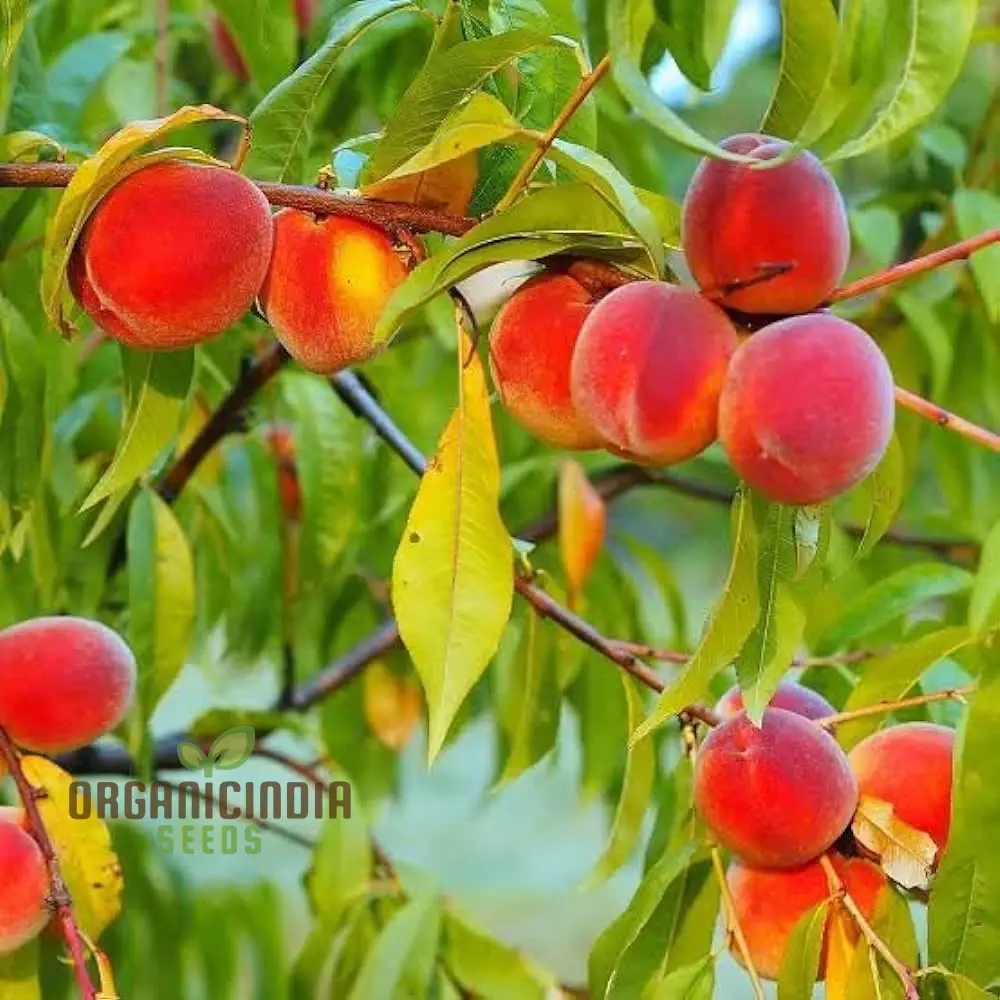
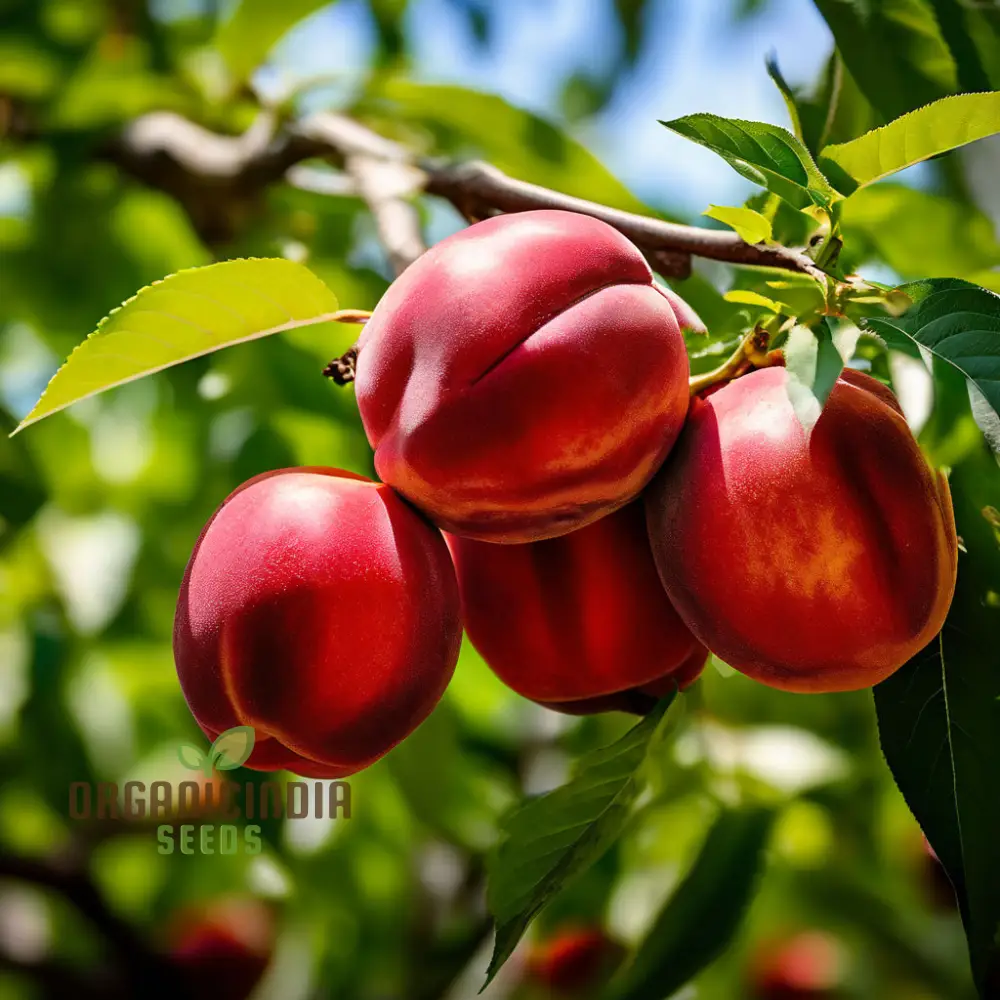
Bring orchard-quality fruit to your backyard with Red Nectarine Seeds. Known for their smooth skin, vibrant red hue, and sweet, juicy flavor, nectarines are a summertime favorite. These seeds produce vigorous trees that thrive in full sun and well-drained soil, rewarding growers with abundant, high-quality fruit. Ideal for home gardens, small orchards, or container cultivation.
Features
-
High-Quality Seeds: Non-GMO, high-germination seeds selected for healthy growth.
-
Delicious Flavor: Produces sweet, aromatic nectarines with firm, juicy flesh.
-
Attractive Tree: Beautiful blossoms and glossy green foliage add ornamental value.
-
Adaptable Growth: Suitable for garden beds, orchards, and large containers.
-
Long-Lived & Productive: Yields high-quality fruit year after year with proper care.
Specifications
-
Botanical Name: Prunus persica var. nucipersica
-
Common Name: Red Nectarine Tree
-
Seed Type: Non-GMO, Heirloom Variety
-
Growth Habit: Deciduous fruit tree
-
USDA Hardiness Zones: 6–9
-
Sun Exposure: Full sun (6–8 hours daily)
-
Soil Type: Well-drained, loamy soil enriched with compost
-
Soil pH: 6.0–7.0
-
Watering Needs: Moderate; prefers evenly moist soil
-
Germination Time: 30–60 days (requires cold stratification)
-
Maturity Period: 3–4 years to fruit-bearing stage
-
Planting Season: Late winter to early spring
-
Planting Depth: 1 inch (2.5 cm)
-
Spacing: 12–18 feet apart
-
Temperature for Germination: 65–75°F (18–24°C)
-
Tree Height: 10–20 feet at maturity
-
Pollination: Self-fertile, but cross-pollination can improve yield
-
Harvest Season: Mid to late summer
-
Uses: Fresh eating, desserts, preserves, juices
Planting Guide
-
Stratify seeds by chilling them in moist sand or peat moss at 35–40°F (2–4°C) for 6–8 weeks.
-
After stratification, plant 1 inch deep in nutrient-rich, well-drained soil.
-
Keep soil moist until germination begins.
-
Once seedlings develop strong roots, transplant outdoors in full sun.
-
Water regularly and prune annually to promote fruit production.
-
Protect young trees from frost during early growth
Bring orchard-quality fruit to your backyard with Red Nectarine Seeds. Known for their smooth skin, vibrant red hue, and sweet, juicy flavor, nectarines are a summertime favorite. These seeds produce vigorous trees that thrive in full sun and well-drained soil, rewarding growers with abundant, high-quality fruit. Ideal for home gardens, small orchards, or container cultivation.
Features
-
High-Quality Seeds: Non-GMO, high-germination seeds selected for healthy growth.
-
Delicious Flavor: Produces sweet, aromatic nectarines with firm, juicy flesh.
-
Attractive Tree: Beautiful blossoms and glossy green foliage add ornamental value.
-
Adaptable Growth: Suitable for garden beds, orchards, and large containers.
-
Long-Lived & Productive: Yields high-quality fruit year after year with proper care.
Specifications
-
Botanical Name: Prunus persica var. nucipersica
-
Common Name: Red Nectarine Tree
-
Seed Type: Non-GMO, Heirloom Variety
-
Growth Habit: Deciduous fruit tree
-
USDA Hardiness Zones: 6–9
-
Sun Exposure: Full sun (6–8 hours daily)
-
Soil Type: Well-drained, loamy soil enriched with compost
-
Soil pH: 6.0–7.0
-
Watering Needs: Moderate; prefers evenly moist soil
-
Germination Time: 30–60 days (requires cold stratification)
-
Maturity Period: 3–4 years to fruit-bearing stage
-
Planting Season: Late winter to early spring
-
Planting Depth: 1 inch (2.5 cm)
-
Spacing: 12–18 feet apart
-
Temperature for Germination: 65–75°F (18–24°C)
-
Tree Height: 10–20 feet at maturity
-
Pollination: Self-fertile, but cross-pollination can improve yield
-
Harvest Season: Mid to late summer
-
Uses: Fresh eating, desserts, preserves, juices
Planting Guide
-
Stratify seeds by chilling them in moist sand or peat moss at 35–40°F (2–4°C) for 6–8 weeks.
-
After stratification, plant 1 inch deep in nutrient-rich, well-drained soil.
-
Keep soil moist until germination begins.
-
Once seedlings develop strong roots, transplant outdoors in full sun.
-
Water regularly and prune annually to promote fruit production.
-
Protect young trees from frost during early growth
Original: $14.99
-65%$14.99
$5.25Description
Bring orchard-quality fruit to your backyard with Red Nectarine Seeds. Known for their smooth skin, vibrant red hue, and sweet, juicy flavor, nectarines are a summertime favorite. These seeds produce vigorous trees that thrive in full sun and well-drained soil, rewarding growers with abundant, high-quality fruit. Ideal for home gardens, small orchards, or container cultivation.
Features
-
High-Quality Seeds: Non-GMO, high-germination seeds selected for healthy growth.
-
Delicious Flavor: Produces sweet, aromatic nectarines with firm, juicy flesh.
-
Attractive Tree: Beautiful blossoms and glossy green foliage add ornamental value.
-
Adaptable Growth: Suitable for garden beds, orchards, and large containers.
-
Long-Lived & Productive: Yields high-quality fruit year after year with proper care.
Specifications
-
Botanical Name: Prunus persica var. nucipersica
-
Common Name: Red Nectarine Tree
-
Seed Type: Non-GMO, Heirloom Variety
-
Growth Habit: Deciduous fruit tree
-
USDA Hardiness Zones: 6–9
-
Sun Exposure: Full sun (6–8 hours daily)
-
Soil Type: Well-drained, loamy soil enriched with compost
-
Soil pH: 6.0–7.0
-
Watering Needs: Moderate; prefers evenly moist soil
-
Germination Time: 30–60 days (requires cold stratification)
-
Maturity Period: 3–4 years to fruit-bearing stage
-
Planting Season: Late winter to early spring
-
Planting Depth: 1 inch (2.5 cm)
-
Spacing: 12–18 feet apart
-
Temperature for Germination: 65–75°F (18–24°C)
-
Tree Height: 10–20 feet at maturity
-
Pollination: Self-fertile, but cross-pollination can improve yield
-
Harvest Season: Mid to late summer
-
Uses: Fresh eating, desserts, preserves, juices
Planting Guide
-
Stratify seeds by chilling them in moist sand or peat moss at 35–40°F (2–4°C) for 6–8 weeks.
-
After stratification, plant 1 inch deep in nutrient-rich, well-drained soil.
-
Keep soil moist until germination begins.
-
Once seedlings develop strong roots, transplant outdoors in full sun.
-
Water regularly and prune annually to promote fruit production.
-
Protect young trees from frost during early growth