✨ New Arrivals Just Dropped!Explore


1 / 4
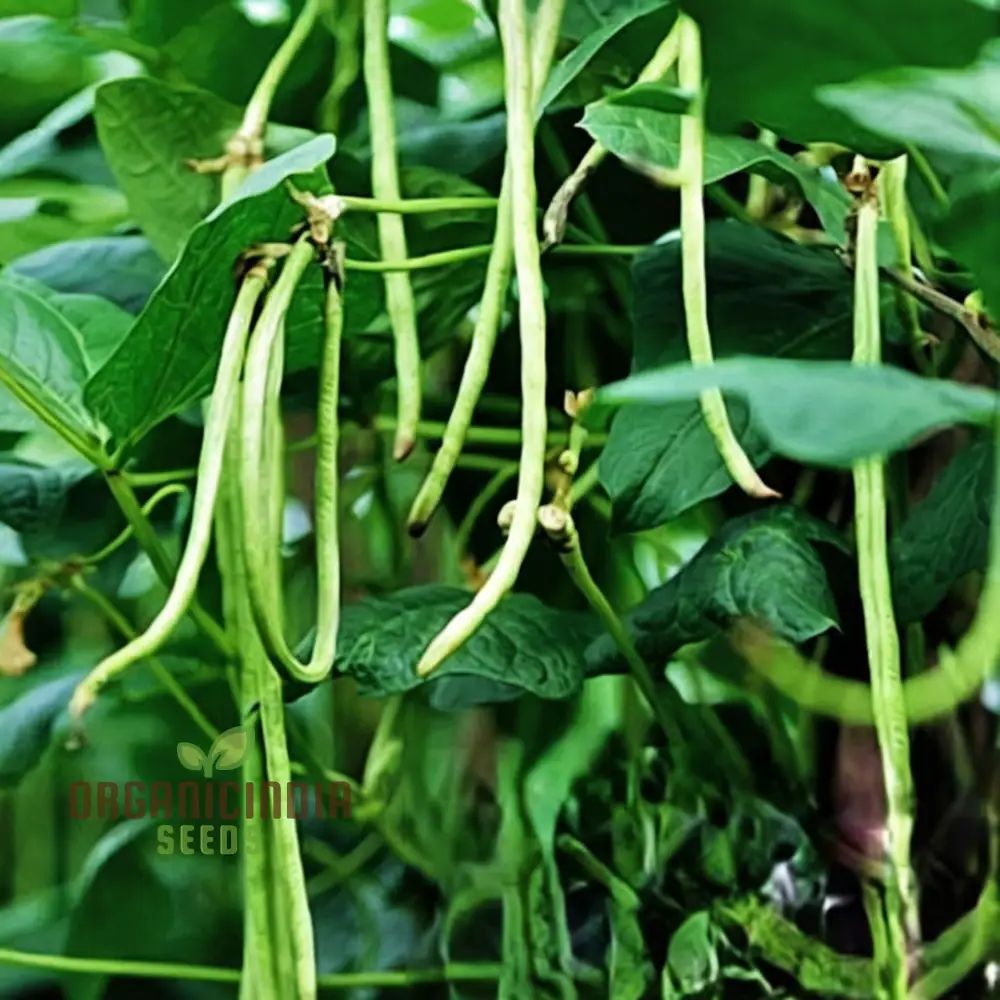
Romano Pole Bean Vegetable Seeds, Enhance Your Garden with Robust Flavor and Abundant Yields Using Expert Planting and Gardening
Here's a detailed growing guide for Romano Pole Bean Seeds to help you cultivate a thriving and productive garden:
Key Attributes:
- Product Name: Romano Pole Bean Seeds
- Type: Heirloom, open-pollinated
- Available Quantities: 100, 500, or 1000 seeds per pack
- Mature Height: 6-8 feet (requires support)
- Days to Maturity: 60-70 days
- Light Requirements: Full sun (6+ hours daily)
- Soil Requirements: Well-drained, fertile soil rich in organic matter (pH 6.0–7.5)
- Uses: Excellent for fresh eating, steaming, stir-fries, and preserving
Product Details:
- Germination Rate: High for reliable growth
- Seed Freshness: Newly harvested for optimal germination
- Origin: Sustainably sourced
- Shelf Life: Best planted within one year for maximum viability
Planting Instructions:
Seed Preparation:
- No special preparation required.
- Optional: Soak seeds in warm water for 4-6 hours to speed up germination.
Sowing Guidelines:
Direct Sowing (Recommended):
- Sow seeds outdoors after the last frost when soil temperature is at least 60°F (16°C).
- Plant seeds 1 inch deep and 3-4 inches apart along a trellis or support.
- Space rows 24-36 inches apart for optimal air circulation.
Indoor Sowing:
- Not recommended, as beans prefer direct sowing to avoid transplant shock.
Germination:
- Typically occurs within 7-10 days under optimal conditions.
- Keep soil moist but avoid overwatering to prevent rot.
Support & Spacing:
- Trellises, poles, or netting are essential for climbing and maximizing yield.
- Install supports at planting to prevent root disturbance later.
Care & Maintenance:
- Watering: Keep soil evenly moist, especially during flowering and pod formation.
- Fertilization: Beans fix nitrogen naturally, so minimal fertilization is needed. Apply compost or a low-nitrogen fertilizer if necessary.
- Mulching: Helps retain moisture and suppress weeds.
- Pest & Disease Control: Monitor for aphids, spider mites, and fungal diseases; promote airflow to reduce disease risk.
Harvesting:
- Start harvesting when pods reach 6-8 inches long and are still tender.
- Regular picking encourages continuous production.
- Best enjoyed fresh but can also be frozen or canned.
Here's a detailed growing guide for Romano Pole Bean Seeds to help you cultivate a thriving and productive garden:
Key Attributes:
- Product Name: Romano Pole Bean Seeds
- Type: Heirloom, open-pollinated
- Available Quantities: 100, 500, or 1000 seeds per pack
- Mature Height: 6-8 feet (requires support)
- Days to Maturity: 60-70 days
- Light Requirements: Full sun (6+ hours daily)
- Soil Requirements: Well-drained, fertile soil rich in organic matter (pH 6.0–7.5)
- Uses: Excellent for fresh eating, steaming, stir-fries, and preserving
Product Details:
- Germination Rate: High for reliable growth
- Seed Freshness: Newly harvested for optimal germination
- Origin: Sustainably sourced
- Shelf Life: Best planted within one year for maximum viability
Planting Instructions:
Seed Preparation:
- No special preparation required.
- Optional: Soak seeds in warm water for 4-6 hours to speed up germination.
Sowing Guidelines:
Direct Sowing (Recommended):
- Sow seeds outdoors after the last frost when soil temperature is at least 60°F (16°C).
- Plant seeds 1 inch deep and 3-4 inches apart along a trellis or support.
- Space rows 24-36 inches apart for optimal air circulation.
Indoor Sowing:
- Not recommended, as beans prefer direct sowing to avoid transplant shock.
Germination:
- Typically occurs within 7-10 days under optimal conditions.
- Keep soil moist but avoid overwatering to prevent rot.
Support & Spacing:
- Trellises, poles, or netting are essential for climbing and maximizing yield.
- Install supports at planting to prevent root disturbance later.
Care & Maintenance:
- Watering: Keep soil evenly moist, especially during flowering and pod formation.
- Fertilization: Beans fix nitrogen naturally, so minimal fertilization is needed. Apply compost or a low-nitrogen fertilizer if necessary.
- Mulching: Helps retain moisture and suppress weeds.
- Pest & Disease Control: Monitor for aphids, spider mites, and fungal diseases; promote airflow to reduce disease risk.
Harvesting:
- Start harvesting when pods reach 6-8 inches long and are still tender.
- Regular picking encourages continuous production.
- Best enjoyed fresh but can also be frozen or canned.
Select Size
From $5.25
Original: $14.99
-65%Romano Pole Bean Vegetable Seeds, Enhance Your Garden with Robust Flavor and Abundant Yields Using Expert Planting and Gardening—
$14.99
$5.25Description
Here's a detailed growing guide for Romano Pole Bean Seeds to help you cultivate a thriving and productive garden:
Key Attributes:
- Product Name: Romano Pole Bean Seeds
- Type: Heirloom, open-pollinated
- Available Quantities: 100, 500, or 1000 seeds per pack
- Mature Height: 6-8 feet (requires support)
- Days to Maturity: 60-70 days
- Light Requirements: Full sun (6+ hours daily)
- Soil Requirements: Well-drained, fertile soil rich in organic matter (pH 6.0–7.5)
- Uses: Excellent for fresh eating, steaming, stir-fries, and preserving
Product Details:
- Germination Rate: High for reliable growth
- Seed Freshness: Newly harvested for optimal germination
- Origin: Sustainably sourced
- Shelf Life: Best planted within one year for maximum viability
Planting Instructions:
Seed Preparation:
- No special preparation required.
- Optional: Soak seeds in warm water for 4-6 hours to speed up germination.
Sowing Guidelines:
Direct Sowing (Recommended):
- Sow seeds outdoors after the last frost when soil temperature is at least 60°F (16°C).
- Plant seeds 1 inch deep and 3-4 inches apart along a trellis or support.
- Space rows 24-36 inches apart for optimal air circulation.
Indoor Sowing:
- Not recommended, as beans prefer direct sowing to avoid transplant shock.
Germination:
- Typically occurs within 7-10 days under optimal conditions.
- Keep soil moist but avoid overwatering to prevent rot.
Support & Spacing:
- Trellises, poles, or netting are essential for climbing and maximizing yield.
- Install supports at planting to prevent root disturbance later.
Care & Maintenance:
- Watering: Keep soil evenly moist, especially during flowering and pod formation.
- Fertilization: Beans fix nitrogen naturally, so minimal fertilization is needed. Apply compost or a low-nitrogen fertilizer if necessary.
- Mulching: Helps retain moisture and suppress weeds.
- Pest & Disease Control: Monitor for aphids, spider mites, and fungal diseases; promote airflow to reduce disease risk.
Harvesting:
- Start harvesting when pods reach 6-8 inches long and are still tender.
- Regular picking encourages continuous production.
- Best enjoyed fresh but can also be frozen or canned.