Rosa Glauca Flower Seeds For Planting, Easy Planting Tips for Growing Beautiful Wild Rose Blooms in Your Garden
Rosa Glauca Flower Seeds – Grow Beautiful Wild Rose Blooms with Ease
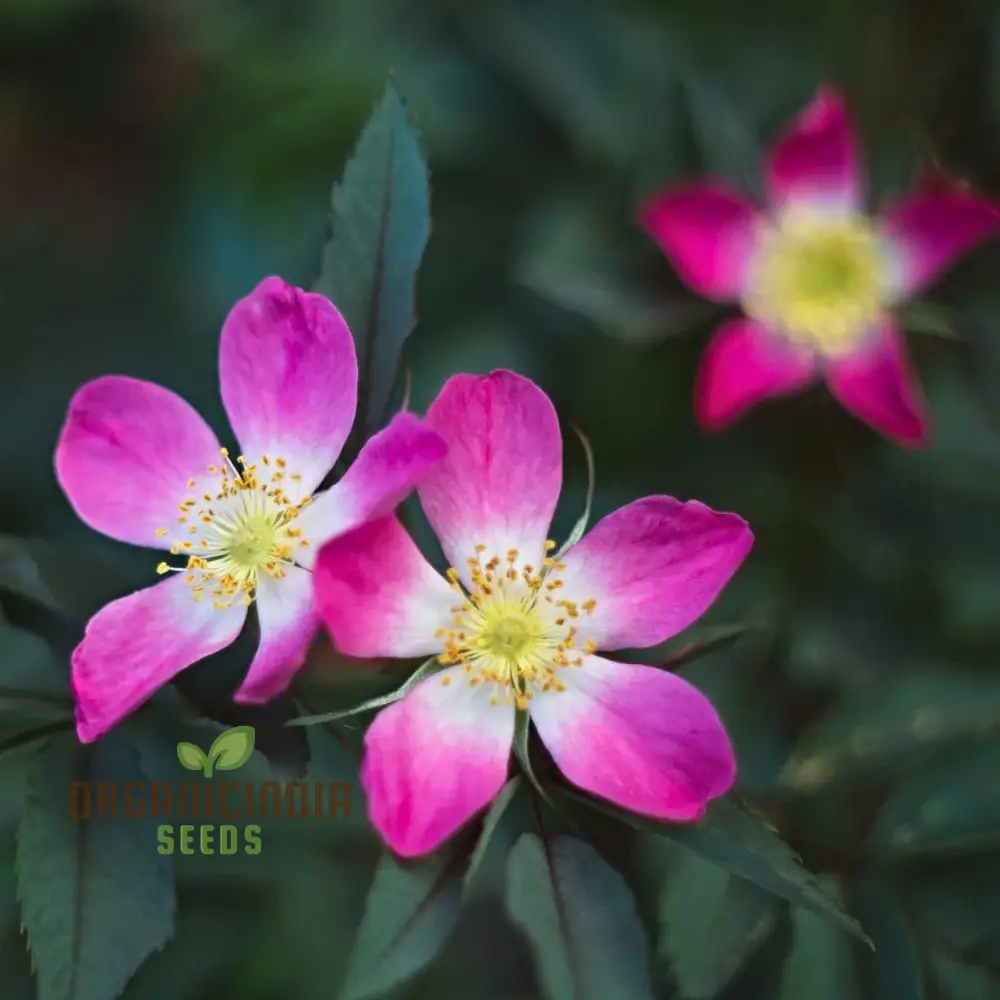
Rosa Glauca, also known as the Red-Leaved Rose or Blue Leaf Rose, is a stunning wild rose variety prized for its unique bluish-green foliage, delicate pink flowers, and striking red hips. This low-maintenance, hardy shrub is perfect for naturalistic gardens, hedgerows, and wildlife-friendly landscapes. With its exceptional drought tolerance and ability to thrive in various conditions, Rosa Glauca adds elegance and year-round interest to any garden.
Key Attributes
- Scientific Name: Rosa glauca
- Common Name: Red-Leaved Rose, Blue Leaf Rose
- Plant Type: Deciduous shrub
- Flower Color: Soft pink with a pale center
- Foliage Color: Blue-green to purplish-red
- Mature Height: 6 to 8 feet
- Spread: 4 to 6 feet
- Light Requirements: Full sun to partial shade
- Soil Requirements: Well-drained, fertile soil; tolerates clay and sandy soils
- Watering Needs: Low to moderate; drought-tolerant once established
- Blooming Season: Late spring to early summer
- Uses: Hedges, borders, wildlife gardens, pollinator-friendly landscapes
Product Details
- Germination Rate: High with proper stratification
- Growth Speed: Moderate; establishes a strong root system before flowering
- Cold Hardiness: Hardy in USDA zones 4-9
- Wildlife Benefits: Attracts bees, butterflies, and birds
- Maintenance Level: Low; disease-resistant and self-sufficient
Planting Instructions
Seed Preparation and Sowing
- Stratification Required:
- Mix seeds with damp sand and store in the refrigerator for 10-12 weeks before planting
- Best Planting Time: Late winter to early spring after stratification
- Sowing Method:
- Sow seeds in a well-draining seed-starting mix
- Cover lightly with a thin layer of soil
- Spacing: 3 to 5 feet apart for optimal growth
- Germination Time: 4 to 8 weeks after stratification at 65 to 75°F
Care and Maintenance
- Watering: Water deeply during the first growing season; reduce watering once established
- Fertilization: Apply a balanced organic fertilizer in early spring
- Pruning: Minimal pruning needed; remove dead or weak branches in late winter
- Pest and Disease Resistance: Naturally resistant to common rose diseases like black spot and mildew
- Winter Care: Hardy in cold climates; mulch around the base to protect roots in extreme cold
Why Grow Rosa Glauca?
- Unique foliage: Striking blue-green leaves add visual contrast to gardens
- Low maintenance: Thrives with little intervention, making it ideal for beginners
- Pollinator and wildlife-friendly: Provides nectar for bees and butterflies, and rose hips attract birds
- Year-round appeal: Lovely flowers in spring, followed by ornamental rose hips in fall and winter
Companion Planting Suggestions
- Complements other wildflowers like echinacea, salvia, and lavender
- Pairs well with ornamental grasses for a naturalistic garden
- Looks beautiful when grown alongside native shrubs like elderberry or viburnum
Rosa Glauca is a fantastic choice for gardeners looking for a hardy, low-maintenance rose that brings year-round beauty. Would you like additional tips on garden design or care?
Rosa Glauca Flower Seeds – Grow Beautiful Wild Rose Blooms with Ease
Rosa Glauca, also known as the Red-Leaved Rose or Blue Leaf Rose, is a stunning wild rose variety prized for its unique bluish-green foliage, delicate pink flowers, and striking red hips. This low-maintenance, hardy shrub is perfect for naturalistic gardens, hedgerows, and wildlife-friendly landscapes. With its exceptional drought tolerance and ability to thrive in various conditions, Rosa Glauca adds elegance and year-round interest to any garden.
Key Attributes
- Scientific Name: Rosa glauca
- Common Name: Red-Leaved Rose, Blue Leaf Rose
- Plant Type: Deciduous shrub
- Flower Color: Soft pink with a pale center
- Foliage Color: Blue-green to purplish-red
- Mature Height: 6 to 8 feet
- Spread: 4 to 6 feet
- Light Requirements: Full sun to partial shade
- Soil Requirements: Well-drained, fertile soil; tolerates clay and sandy soils
- Watering Needs: Low to moderate; drought-tolerant once established
- Blooming Season: Late spring to early summer
- Uses: Hedges, borders, wildlife gardens, pollinator-friendly landscapes
Product Details
- Germination Rate: High with proper stratification
- Growth Speed: Moderate; establishes a strong root system before flowering
- Cold Hardiness: Hardy in USDA zones 4-9
- Wildlife Benefits: Attracts bees, butterflies, and birds
- Maintenance Level: Low; disease-resistant and self-sufficient
Planting Instructions
Seed Preparation and Sowing
- Stratification Required:
- Mix seeds with damp sand and store in the refrigerator for 10-12 weeks before planting
- Best Planting Time: Late winter to early spring after stratification
- Sowing Method:
- Sow seeds in a well-draining seed-starting mix
- Cover lightly with a thin layer of soil
- Spacing: 3 to 5 feet apart for optimal growth
- Germination Time: 4 to 8 weeks after stratification at 65 to 75°F
Care and Maintenance
- Watering: Water deeply during the first growing season; reduce watering once established
- Fertilization: Apply a balanced organic fertilizer in early spring
- Pruning: Minimal pruning needed; remove dead or weak branches in late winter
- Pest and Disease Resistance: Naturally resistant to common rose diseases like black spot and mildew
- Winter Care: Hardy in cold climates; mulch around the base to protect roots in extreme cold
Why Grow Rosa Glauca?
- Unique foliage: Striking blue-green leaves add visual contrast to gardens
- Low maintenance: Thrives with little intervention, making it ideal for beginners
- Pollinator and wildlife-friendly: Provides nectar for bees and butterflies, and rose hips attract birds
- Year-round appeal: Lovely flowers in spring, followed by ornamental rose hips in fall and winter
Companion Planting Suggestions
- Complements other wildflowers like echinacea, salvia, and lavender
- Pairs well with ornamental grasses for a naturalistic garden
- Looks beautiful when grown alongside native shrubs like elderberry or viburnum
Rosa Glauca is a fantastic choice for gardeners looking for a hardy, low-maintenance rose that brings year-round beauty. Would you like additional tips on garden design or care?
Original: $14.99
-65%$14.99
$5.25Description
Rosa Glauca Flower Seeds – Grow Beautiful Wild Rose Blooms with Ease
Rosa Glauca, also known as the Red-Leaved Rose or Blue Leaf Rose, is a stunning wild rose variety prized for its unique bluish-green foliage, delicate pink flowers, and striking red hips. This low-maintenance, hardy shrub is perfect for naturalistic gardens, hedgerows, and wildlife-friendly landscapes. With its exceptional drought tolerance and ability to thrive in various conditions, Rosa Glauca adds elegance and year-round interest to any garden.
Key Attributes
- Scientific Name: Rosa glauca
- Common Name: Red-Leaved Rose, Blue Leaf Rose
- Plant Type: Deciduous shrub
- Flower Color: Soft pink with a pale center
- Foliage Color: Blue-green to purplish-red
- Mature Height: 6 to 8 feet
- Spread: 4 to 6 feet
- Light Requirements: Full sun to partial shade
- Soil Requirements: Well-drained, fertile soil; tolerates clay and sandy soils
- Watering Needs: Low to moderate; drought-tolerant once established
- Blooming Season: Late spring to early summer
- Uses: Hedges, borders, wildlife gardens, pollinator-friendly landscapes
Product Details
- Germination Rate: High with proper stratification
- Growth Speed: Moderate; establishes a strong root system before flowering
- Cold Hardiness: Hardy in USDA zones 4-9
- Wildlife Benefits: Attracts bees, butterflies, and birds
- Maintenance Level: Low; disease-resistant and self-sufficient
Planting Instructions
Seed Preparation and Sowing
- Stratification Required:
- Mix seeds with damp sand and store in the refrigerator for 10-12 weeks before planting
- Best Planting Time: Late winter to early spring after stratification
- Sowing Method:
- Sow seeds in a well-draining seed-starting mix
- Cover lightly with a thin layer of soil
- Spacing: 3 to 5 feet apart for optimal growth
- Germination Time: 4 to 8 weeks after stratification at 65 to 75°F
Care and Maintenance
- Watering: Water deeply during the first growing season; reduce watering once established
- Fertilization: Apply a balanced organic fertilizer in early spring
- Pruning: Minimal pruning needed; remove dead or weak branches in late winter
- Pest and Disease Resistance: Naturally resistant to common rose diseases like black spot and mildew
- Winter Care: Hardy in cold climates; mulch around the base to protect roots in extreme cold
Why Grow Rosa Glauca?
- Unique foliage: Striking blue-green leaves add visual contrast to gardens
- Low maintenance: Thrives with little intervention, making it ideal for beginners
- Pollinator and wildlife-friendly: Provides nectar for bees and butterflies, and rose hips attract birds
- Year-round appeal: Lovely flowers in spring, followed by ornamental rose hips in fall and winter
Companion Planting Suggestions
- Complements other wildflowers like echinacea, salvia, and lavender
- Pairs well with ornamental grasses for a naturalistic garden
- Looks beautiful when grown alongside native shrubs like elderberry or viburnum
Rosa Glauca is a fantastic choice for gardeners looking for a hardy, low-maintenance rose that brings year-round beauty. Would you like additional tips on garden design or care?