Strawberry Spinach (Chenopodium Capitatum) Seeds for Planting
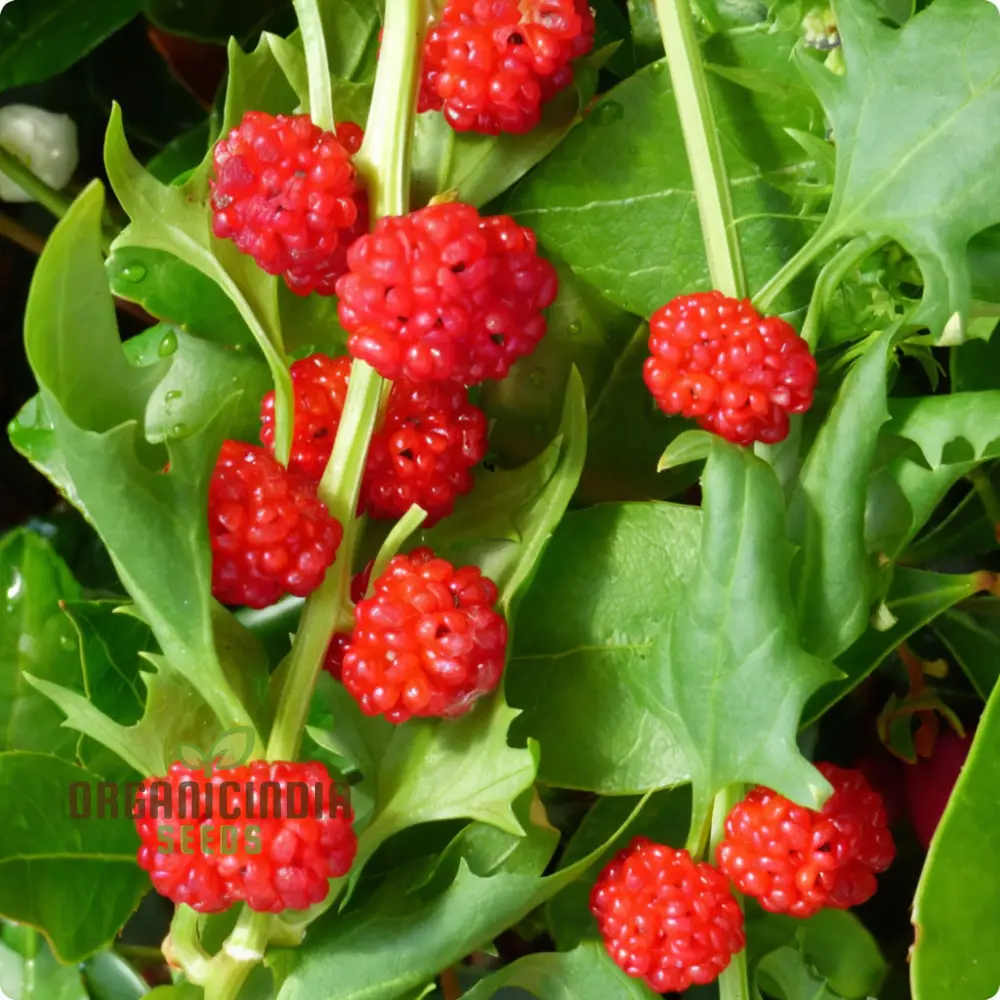
Strawberry Spinach (Chenopodium capitatum) is a rare and nutrient-rich plant known for its dual-purpose harvest—tender, leafy greens and decorative, edible red berries. Ideal for gardeners seeking something unique, productive, and highly versatile. Naturally integrates high-volume search terms like strawberry spinach seeds, chenopodium capitatum seeds, leafy vegetable seeds, spinach alternative seeds, and non-GMO garden seeds.
Key Features
-
Dual-harvest plant producing spinach-like leaves and small edible berries.
-
Fast growing with minimal maintenance required.
-
Excellent for raised beds, kitchen gardens, and container planting.
-
Cold-tolerant and suitable for early spring sowing.
-
Compact, bushy growth ideal for both small and large spaces.
Specifications
-
Seed Name: Chenopodium capitatum
-
Common Name: Strawberry Spinach
-
GMO Status: Non-GMO
-
Heirloom: Yes
-
Type: Annual leafy vegetable with edible berries
-
USDA Zones: Best in Zones 3–9
-
Season: Spring or early fall planting
-
Sunlight: Full sun to partial shade
-
Soil Type: Moist, well-draining soil
-
Soil pH: 6.0–7.5
-
Germination Time: 7–21 days
-
Days to Maturity: 45–65 days for greens
-
Plant Height: 12–24 inches
-
Spacing: 8–12 inches
-
Watering: Moderate, consistent moisture
-
Harvest: Tender leaves and small edible berries
-
Best Use: Edible landscaping, salads, garnishing, kitchen gardens
Planting Guide
-
Sowing Depth: Scatter seeds lightly and cover with a thin layer of soil.
-
Temperature Needs: Soil temperature should be around 50–75°F.
-
Sunlight: Prefers full sun but tolerates partial shade.
-
Watering: Keep soil evenly moist but not waterlogged.
-
Thinning: Thin seedlings when they reach 2–3 inches tall.
-
Maintenance: Minimal; harvest young leaves regularly to encourage new growth.
-
Berry Harvest: Berries ripen into bright red clusters; pick gently when firm and mature.
Strawberry Spinach (Chenopodium capitatum) is a rare and nutrient-rich plant known for its dual-purpose harvest—tender, leafy greens and decorative, edible red berries. Ideal for gardeners seeking something unique, productive, and highly versatile. Naturally integrates high-volume search terms like strawberry spinach seeds, chenopodium capitatum seeds, leafy vegetable seeds, spinach alternative seeds, and non-GMO garden seeds.
Key Features
-
Dual-harvest plant producing spinach-like leaves and small edible berries.
-
Fast growing with minimal maintenance required.
-
Excellent for raised beds, kitchen gardens, and container planting.
-
Cold-tolerant and suitable for early spring sowing.
-
Compact, bushy growth ideal for both small and large spaces.
Specifications
-
Seed Name: Chenopodium capitatum
-
Common Name: Strawberry Spinach
-
GMO Status: Non-GMO
-
Heirloom: Yes
-
Type: Annual leafy vegetable with edible berries
-
USDA Zones: Best in Zones 3–9
-
Season: Spring or early fall planting
-
Sunlight: Full sun to partial shade
-
Soil Type: Moist, well-draining soil
-
Soil pH: 6.0–7.5
-
Germination Time: 7–21 days
-
Days to Maturity: 45–65 days for greens
-
Plant Height: 12–24 inches
-
Spacing: 8–12 inches
-
Watering: Moderate, consistent moisture
-
Harvest: Tender leaves and small edible berries
-
Best Use: Edible landscaping, salads, garnishing, kitchen gardens
Planting Guide
-
Sowing Depth: Scatter seeds lightly and cover with a thin layer of soil.
-
Temperature Needs: Soil temperature should be around 50–75°F.
-
Sunlight: Prefers full sun but tolerates partial shade.
-
Watering: Keep soil evenly moist but not waterlogged.
-
Thinning: Thin seedlings when they reach 2–3 inches tall.
-
Maintenance: Minimal; harvest young leaves regularly to encourage new growth.
-
Berry Harvest: Berries ripen into bright red clusters; pick gently when firm and mature.
Description
Strawberry Spinach (Chenopodium capitatum) is a rare and nutrient-rich plant known for its dual-purpose harvest—tender, leafy greens and decorative, edible red berries. Ideal for gardeners seeking something unique, productive, and highly versatile. Naturally integrates high-volume search terms like strawberry spinach seeds, chenopodium capitatum seeds, leafy vegetable seeds, spinach alternative seeds, and non-GMO garden seeds.
Key Features
-
Dual-harvest plant producing spinach-like leaves and small edible berries.
-
Fast growing with minimal maintenance required.
-
Excellent for raised beds, kitchen gardens, and container planting.
-
Cold-tolerant and suitable for early spring sowing.
-
Compact, bushy growth ideal for both small and large spaces.
Specifications
-
Seed Name: Chenopodium capitatum
-
Common Name: Strawberry Spinach
-
GMO Status: Non-GMO
-
Heirloom: Yes
-
Type: Annual leafy vegetable with edible berries
-
USDA Zones: Best in Zones 3–9
-
Season: Spring or early fall planting
-
Sunlight: Full sun to partial shade
-
Soil Type: Moist, well-draining soil
-
Soil pH: 6.0–7.5
-
Germination Time: 7–21 days
-
Days to Maturity: 45–65 days for greens
-
Plant Height: 12–24 inches
-
Spacing: 8–12 inches
-
Watering: Moderate, consistent moisture
-
Harvest: Tender leaves and small edible berries
-
Best Use: Edible landscaping, salads, garnishing, kitchen gardens
Planting Guide
-
Sowing Depth: Scatter seeds lightly and cover with a thin layer of soil.
-
Temperature Needs: Soil temperature should be around 50–75°F.
-
Sunlight: Prefers full sun but tolerates partial shade.
-
Watering: Keep soil evenly moist but not waterlogged.
-
Thinning: Thin seedlings when they reach 2–3 inches tall.
-
Maintenance: Minimal; harvest young leaves regularly to encourage new growth.
-
Berry Harvest: Berries ripen into bright red clusters; pick gently when firm and mature.